
Skylights as a Language of Light: Functions & Innovation
Light from above has always drawn people’s attention. It fills a room with air and sets the mood. Today, skylights are a tool that serves both aesthetics and comfort. In modern construction, skylight services make it possible to integrate them harmoniously into homes and offices, resulting in a comfortable space. But the pursuit of light began long ago. Skylights evolved alongside people and architecture.
Antiquity: The First Windows to the Sky
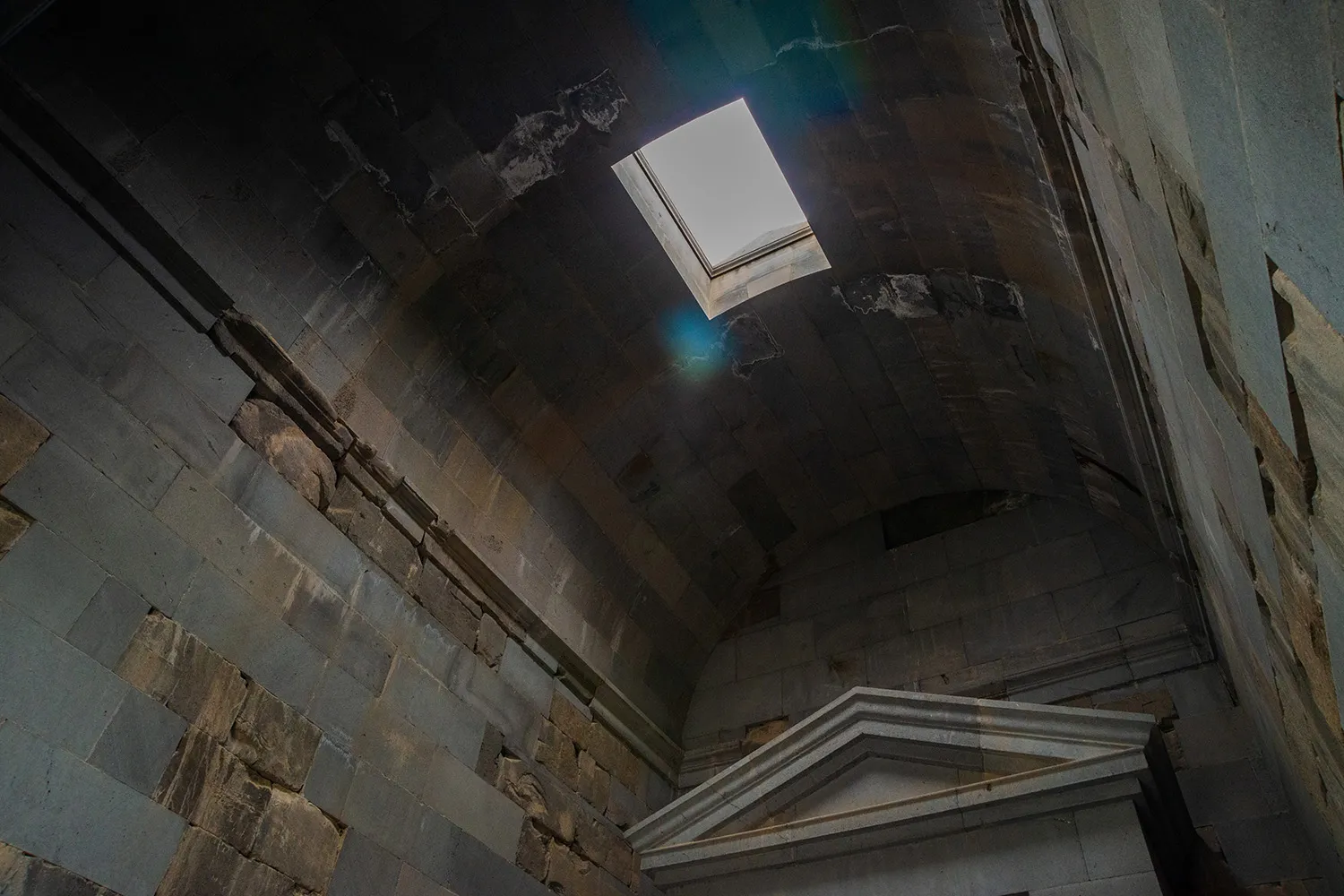
In Ancient Rome and Greece, inner courtyards and atriums served as the first skylights. They allowed light to enter, giving a sense of open space. Here, light was a symbol of order, harmony, and even power.
Temples also made active use of light openings. Passing through narrow windows, sunbeams illuminated the altar at a specific time of day, turning a simple interior into a space with special meaning. Even then, sunlight was part of the architectural concept.
The Middle Ages: Light as a Spiritual Force
In the Middle Ages, the predecessors of modern skylights acquired a religious dimension. Gothic cathedrals with stained glass and tall windows allowed sunlight to color the interiors in vivid hues, creating an almost mystical atmosphere. Each ray seemed sent from above, and architecture turned into a language of light.
In monasteries, sunbeams helped monks orient themselves in time. With their help, monks easily understood when prayer, meals, and other duties began. Light animated the spaces, guiding daily routines, and became an invisible guardian of the monastic rhythm of life.
The Renaissance and Baroque: Light as an Artistic Tool
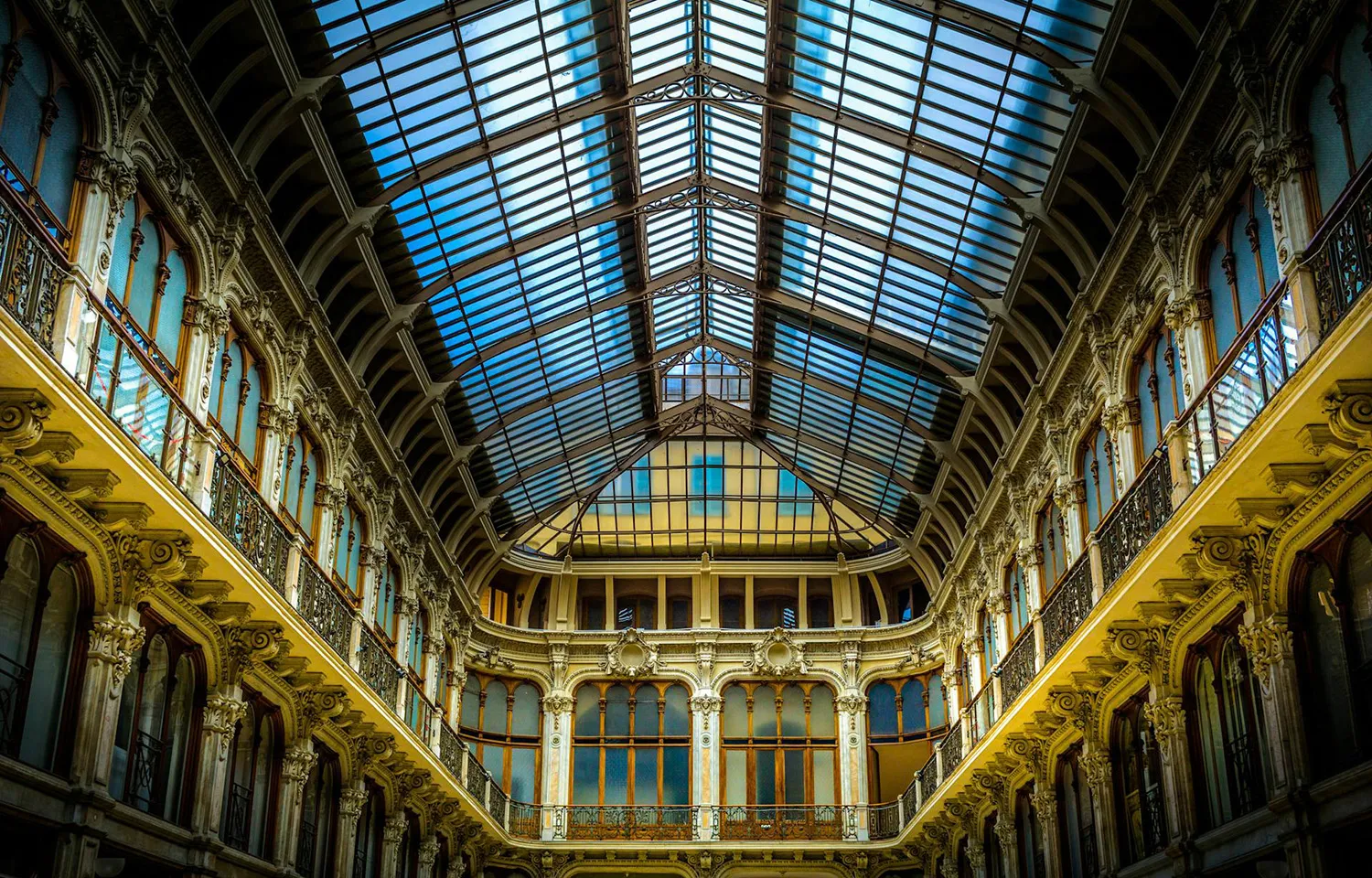
The Renaissance brought bold experiments with space. Domes and the prototypes of modern skylights allowed architects to play with perspective, shadow, and form, turning light into a key element of composition. Light began to emphasize architectural details, enhance the depth of interiors, and shape the emotional perception of space.
Baroque interiors intensified movement, as sunbeams slid across reliefs and gilded surfaces, giving buildings vitality and dynamism. Skylights thus became a full-fledged artistic technique, guiding emotion and perception.
Industrialization and the 20th Century: Light as Comfort and Technology
With the growth of cities and factories in the nineteenth century, skylights began to be widely used in residential and industrial buildings. Upper windows and openings provided natural light in homes and increased work efficiency in workshops.
In the twentieth century, modernist architects used light not only for illumination, but also for creating atmosphere: panoramic windows and atriums turned daylight into a way of shaping the experience of space. This idea was especially evident in the architecture of the 1920s and 1930s, where light became the basis for a feeling of freedom and openness.
This tradition continues in contemporary interiors in Southern California, where in Orange County special attention is given to lighting solutions. Modern skylights make it possible to regulate illumination, temperature, and the design of spaces, turning natural light into a tool for a personalized atmosphere.
The 21st Century: Innovation and a Modern Perspective
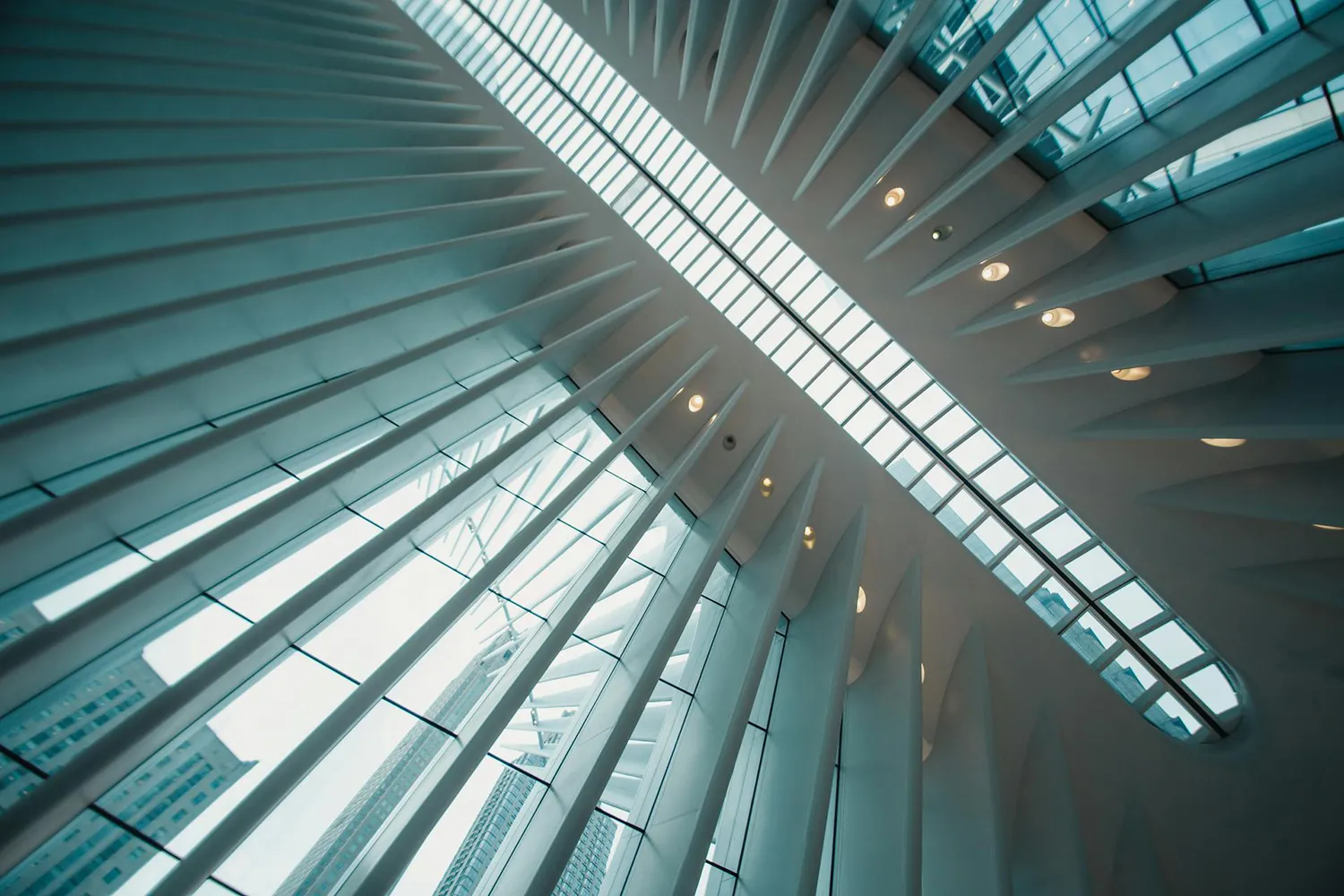
Today, skylights are not only about aesthetics and comfort, but also about technologies of the future. Architects create interiors in which light is adjusted to suit mood or function, making skylights an organic part of the smart home. Modern models are equipped with smart shading, solar sensors, and automated ventilation, allowing flexible control of lighting scenarios and the microclimate.
In modern cities, dense development often deprives homes and offices of daylight. Architects and designers therefore look for solutions that bring illumination into interiors. In Los Angeles, skylights help fill even compact apartments with sunlight, adding a sense of openness and airiness.
Skylights have traveled a path from a sacred symbol to a technological element of the modern home. They have become a link between art, comfort, and innovation. Every beam that enters from above is a reminder that the pursuit of light is an eternal part of human nature.