
The American Path of Skylights: From Factories to Interiors
The history of skylights in the United States begins with necessity. In the 19th century, America grew rapidly, and industrial buildings covered vast areas. Natural light was primarily important for work: it saved resources, improved accuracy, and created comfortable conditions. It was during this time that the roof first became a key source of light for large spaces.
In industrial areas, skylights were seen purely as utilitarian. Rows of glazed panels, often facing north, provided even lighting without harsh shadows. This practical approach laid the foundation for the development of skylights, showing how a functional necessity can become an architectural element.
Architects and engineers looking for ways to bring overhead light into more complex buildings gradually began to notice skylights. Today, skylights in Orange County clearly show how a practical solution has evolved into a cultural and lifestyle feature.
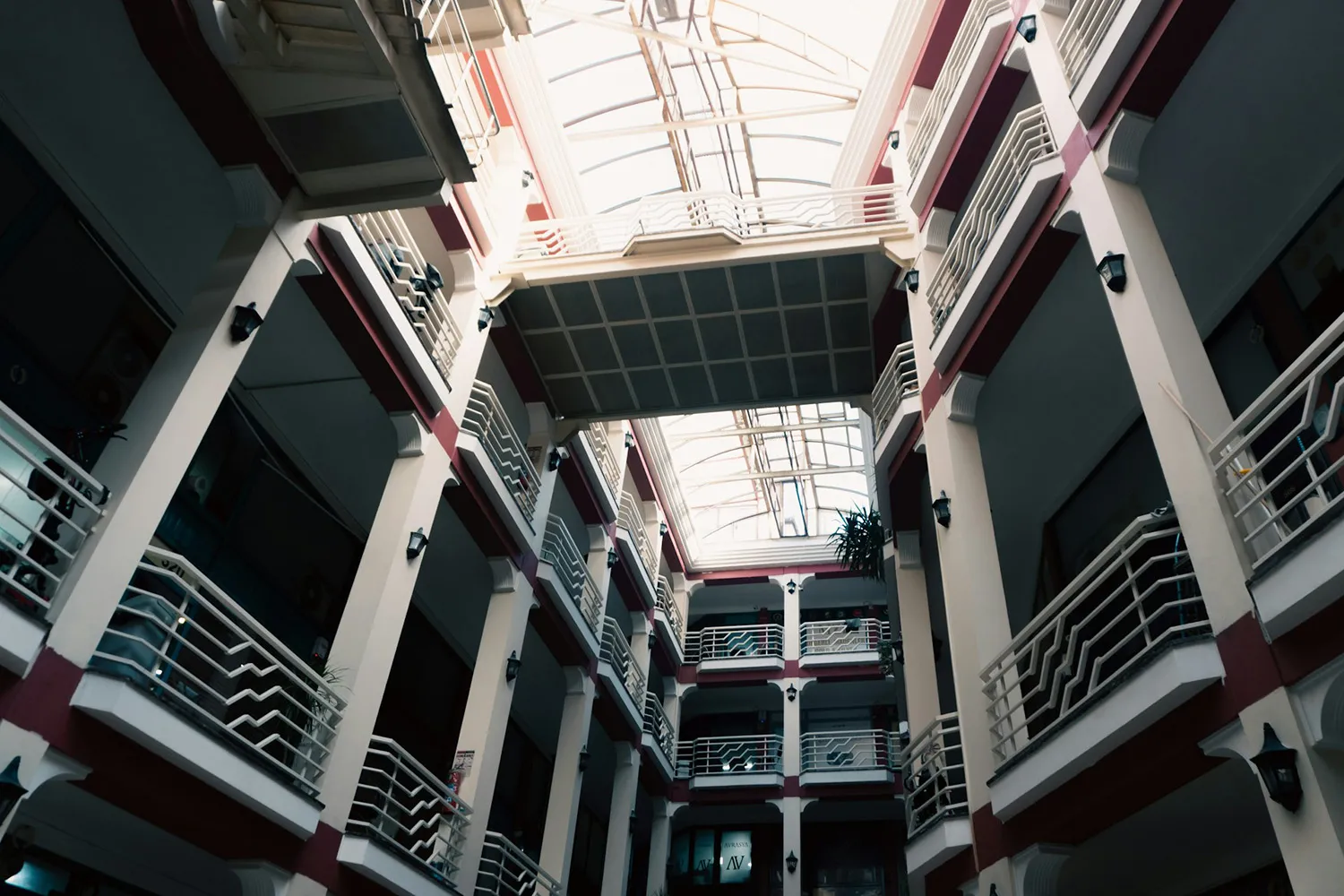
The Roof as a Source of Light and Space
American architecture faced the challenge of depth early on. Buildings spread outward, rooms grew longer, and facade light was no longer enough. Windows alone could not solve the problem. In this context, skylights changed the logic of layout. Light falls from above, spreading evenly and making the space feel calm and airy. As a result, the flow of light does not fragment the interior but unites it into a whole.
This approach proved universal. It worked for factory floors, train stations, and libraries. Skylights gradually moved beyond their industrial role to become expressive architectural elements, highlighting both design and functionality.
Technology and Structural Development
Technological advances made it possible to use skylights in more complex architectural projects. Glass improved, metal frames appeared, and systems for draining water and managing heat were developed. These innovations made overhead light safe and reliable. Skylight contractors emerged to ensure precise and secure installation of light structures in buildings.
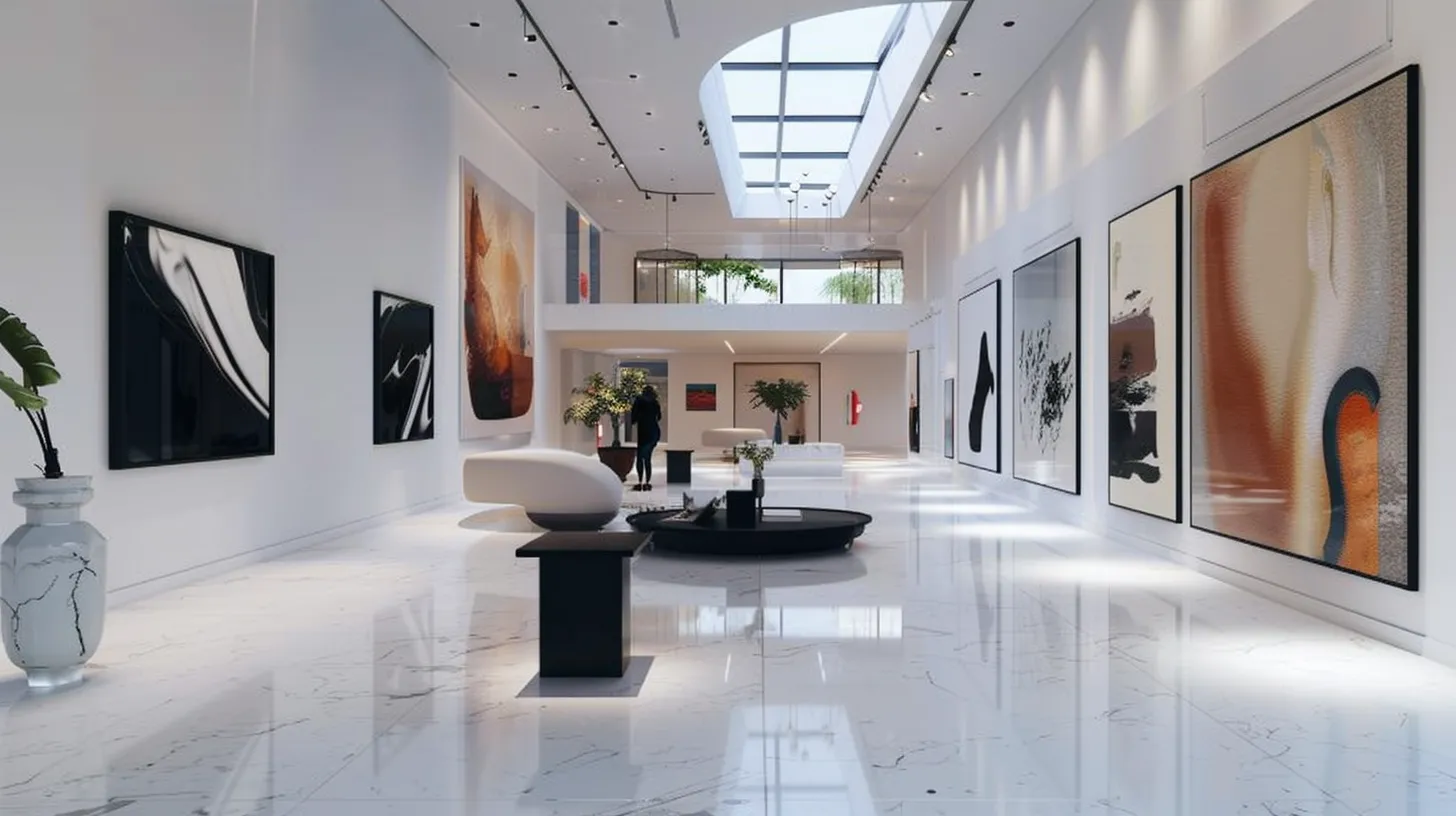
Light in Daily Life
Beyond industrial and public buildings, skylights began to be widely used in private homes, attics, and suburban developments in the second half of the 20th century. Overhead lighting emphasized the textures of materials such as wood, stone, and textiles, creating coziness without sacrificing functionality.
Thanks to contemporary materials and technology, skylights can be installed for many years without losing their effectiveness. Energy-efficient glazing, weather-resistant and durable structures, and designs that seamlessly integrate with a wide range of interiors are now achievable.
Regular maintenance and the use of skylight services ensure reliable operation of the structures, turning overhead light into an effective tool of comfort for everyday life.
Overhead light is a small change that completely transforms the feel of a home. Skylights tell a story that has traveled from functional factory windows to architectural and domestic art.