
Scandinavian Interior: The Cult of Daylight and Skylights
The Scandinavian climate creates a special relationship with light. Winters are long and dark, so natural light is treated as a limited resource. Interiors are designed to capture and distribute it as efficiently as possible. Large window openings are paired with light walls, timber, and matte surfaces that reflect light without glare.
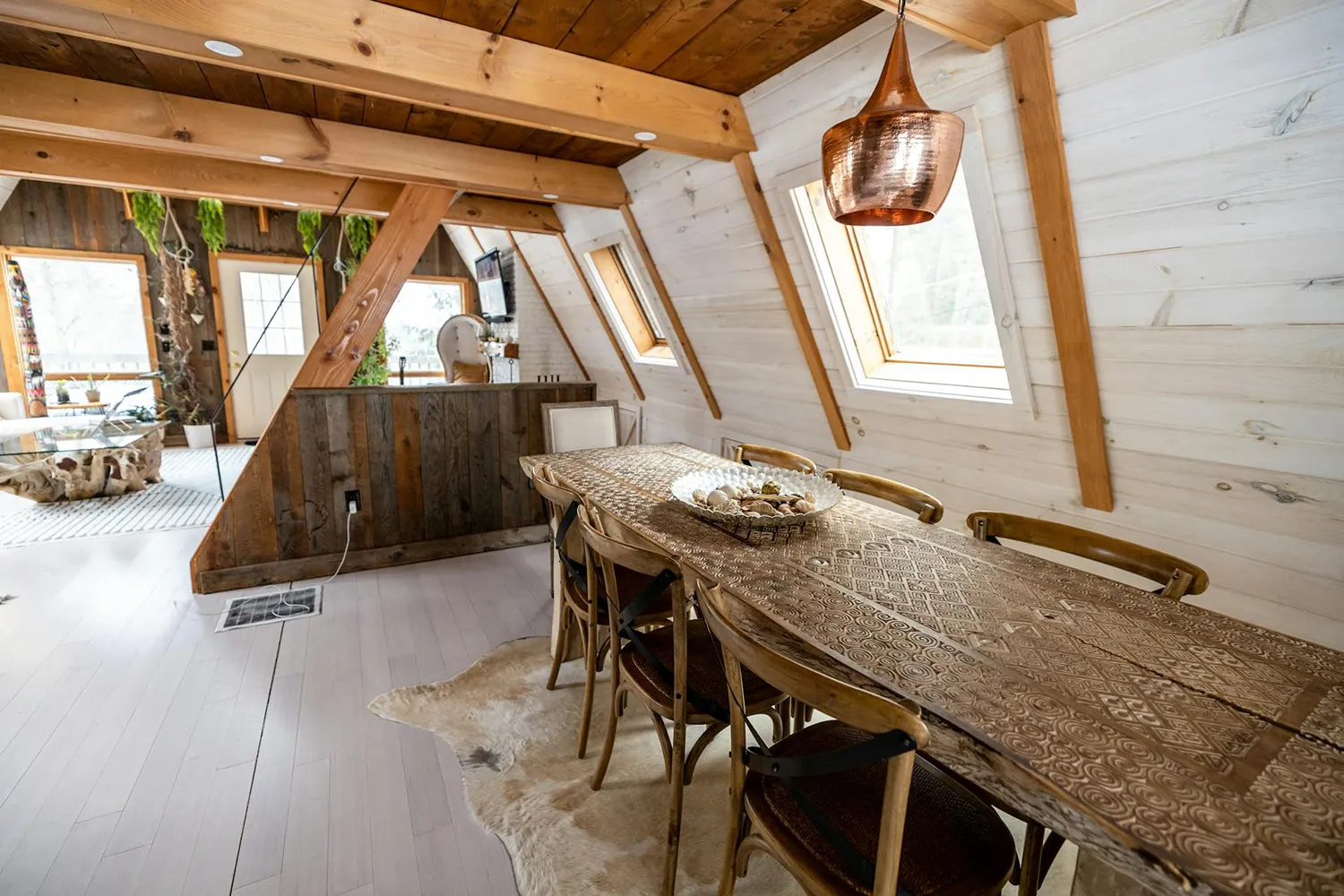
Skylights play a specific role in this system. They bring daylight into areas that vertical windows cannot reach. Even a small skylight can change how a room works by introducing light from a different angle.
Light from above tends to be more even and less directional. It softens contrasts and reveals the geometry of the space more clearly. Walls, ceilings, and materials are read differently when illuminated this way.
Placement and Technical Considerations
Skylights are typically used in living areas, kitchens, and workspaces. Their position should respond to orientation and seasonal changes in sunlight. In northern climates, orientation matters. South-facing skylights bring in direct light, while northern light remains soft and diffuse.
Detailing is key. Proper glazing and sealing help prevent heat loss and condensation; without it, skylights can quickly become a liability rather than an asset.
They are also rarely used in isolation. Artificial lighting, including recessed fixtures, pendants, and wall lights, is integrated to maintain a consistent level of illumination after sunset.
How Light Shapes Space
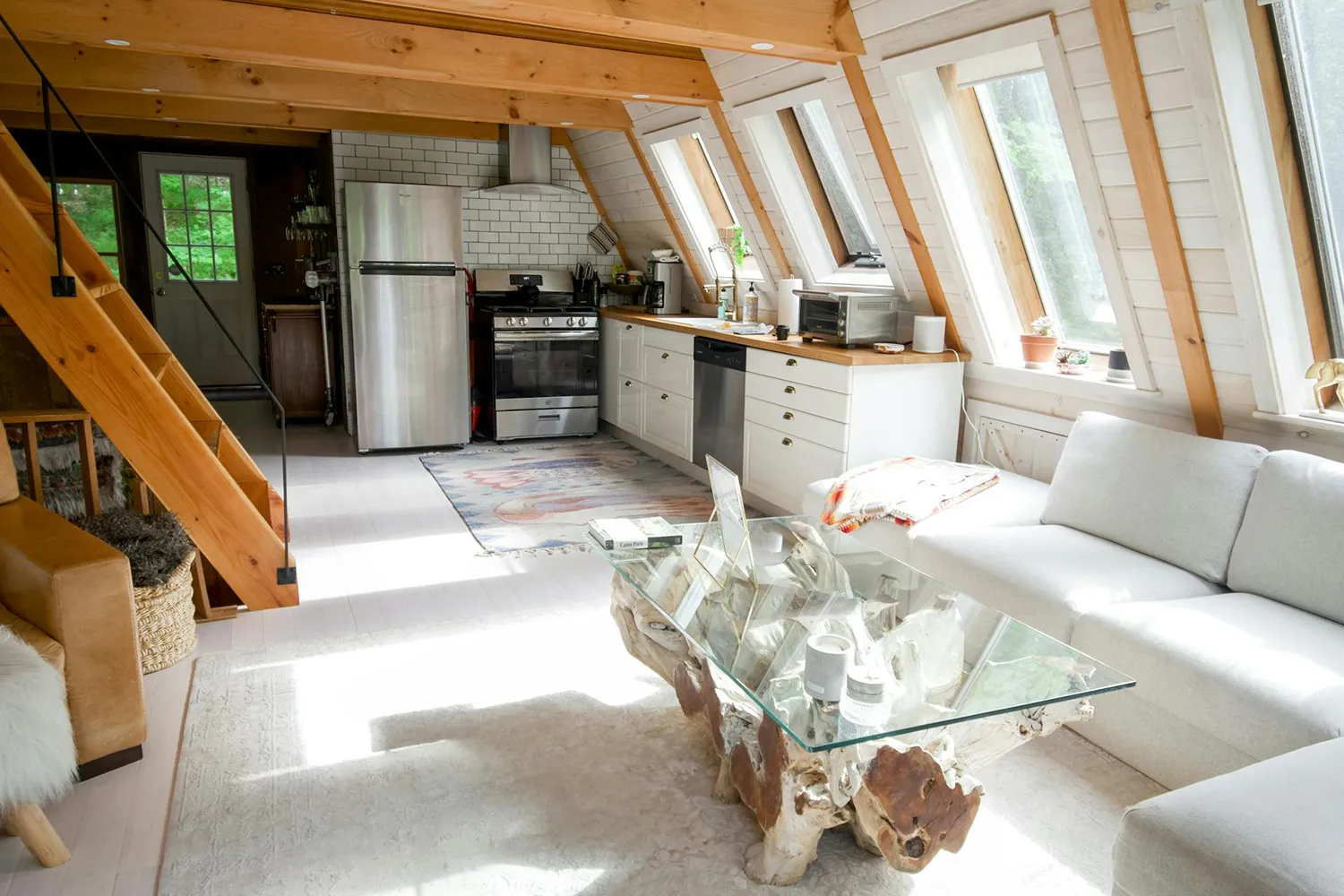
Light passing through skylights has a unique ability to influence the perception of space. It emphasizes textures, wall tones, and natural materials, making the interior feel more expressive, lively, and airy.
Psychologically, light from above is particularly pleasing. It adds a sense of openness and lightness and maintains a connection to nature even in the depths of winter.
Architectural Context
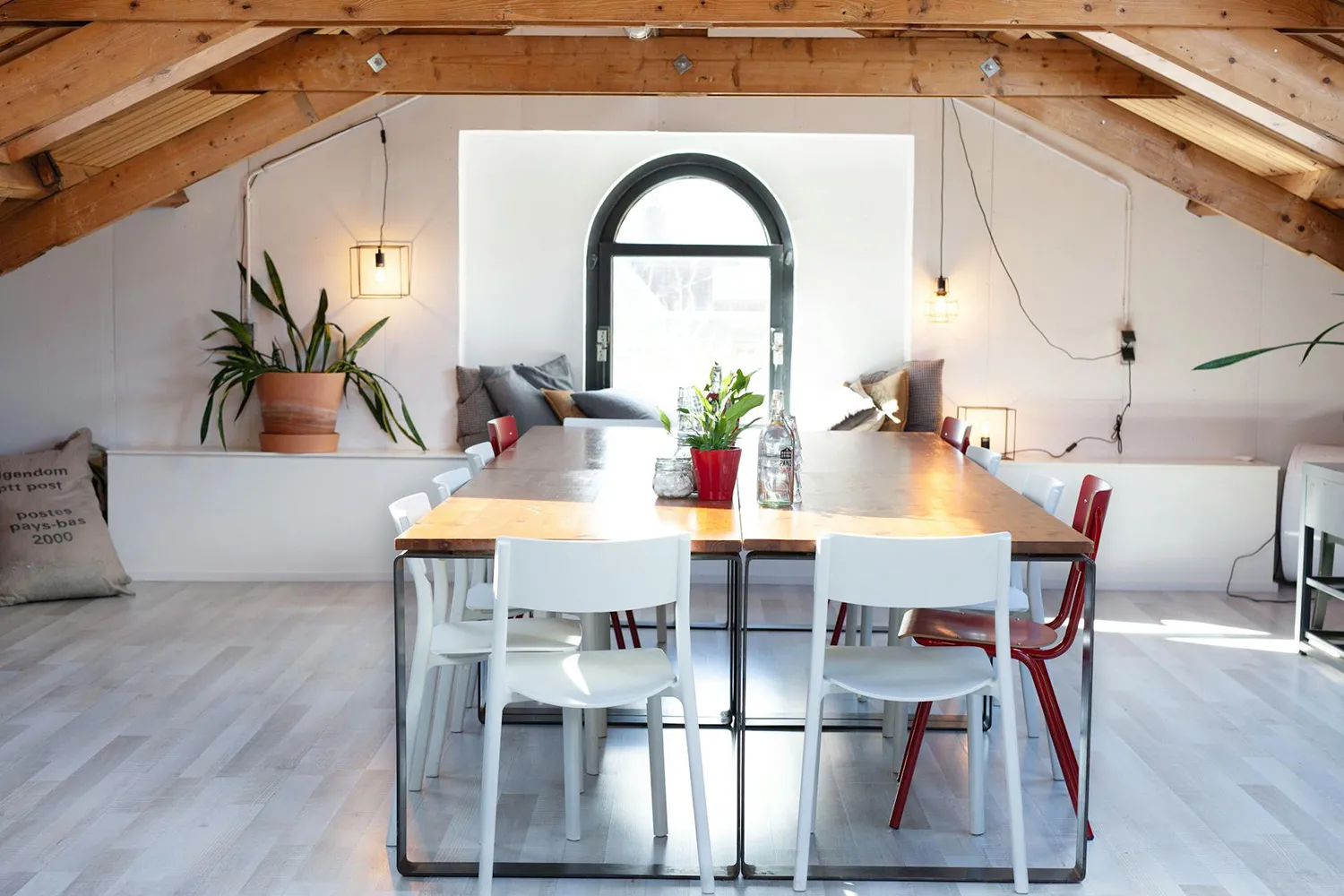
In Scandinavia, light is treated as more than a practical necessity. Long winters and short days made daylight a limited resource, influencing both daily life and architectural approaches. Concepts such as Danish hygge and Norwegian koselig reflect the importance of light in shaping the atmosphere of domestic space.
By the 20th century, skylights were used with greater precision. In Bagsværd Church, Jørn Utzon brings light in from above, creating a soft, diffused interior that reinforces the geometry of the space.
Contemporary projects continue this tradition. The VELUX Nordic Architecture Competition invites architects to design homes where daylight, streaming through skylights and large windows, shapes the mood and sense of space, harmonizing with nature and the rhythm of the day.
Thanks to skylights, interiors gain warmth and a sense of spaciousness. Every ray of sunlight becomes part of the architecture, filling the space with comfort and harmony.