
Light in Minimalism: How Skylights Shape Space
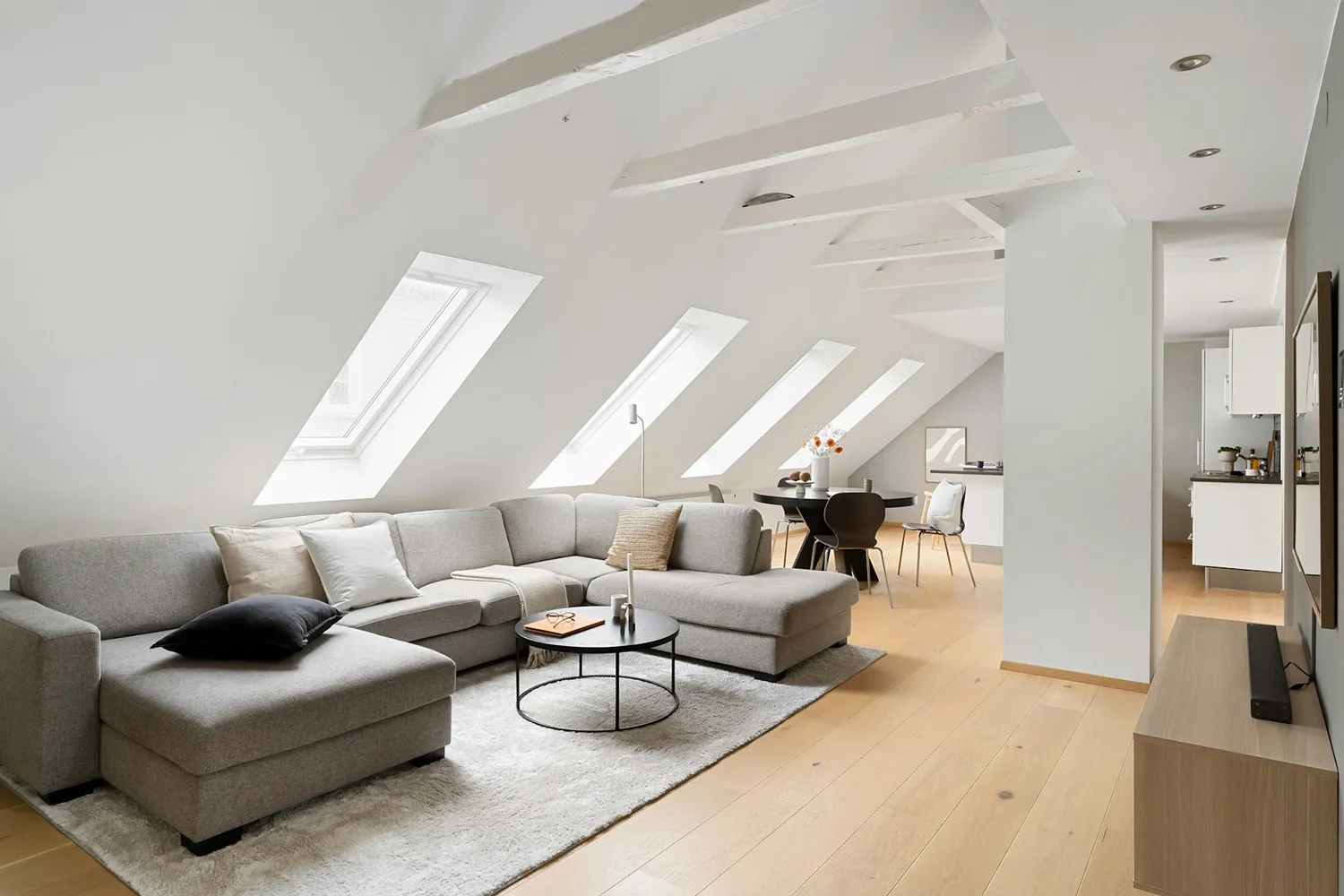
Minimalist design is built on open planes and deliberate details. In these spaces, every volume contributes to freedom, and skylights function as a logical extension of the architecture. They fill the interior with overhead daylight, amplifying airiness and openness.

The Connection Between Minimalism and Natural Light
Minimalism relies on pure forms and honest materials. With visual clutter removed, light becomes the central expressive element. Skylights direct daylight from above to highlight the texture of concrete, the grain of wood, and the finish of white surfaces. This creates a balance of harmony and restraint.
Daylight introduces a sense of time into the interior. As the sun moves, shadows shift, and light travels across floors and walls, making the space feel dynamic. The interior responds to the hour: morning light is sharp and graphic, midday light is soft, and evening light adds depth. This keeps a minimalist space elegant, adding emotional depth.
Skylights also act as organizational markers. Light shapes the composition and highlights key areas, guiding movement through the home without the need for additional structures.
Skylights in Residential Spaces
In homes, skylights transform functional areas into atmospheric spaces.
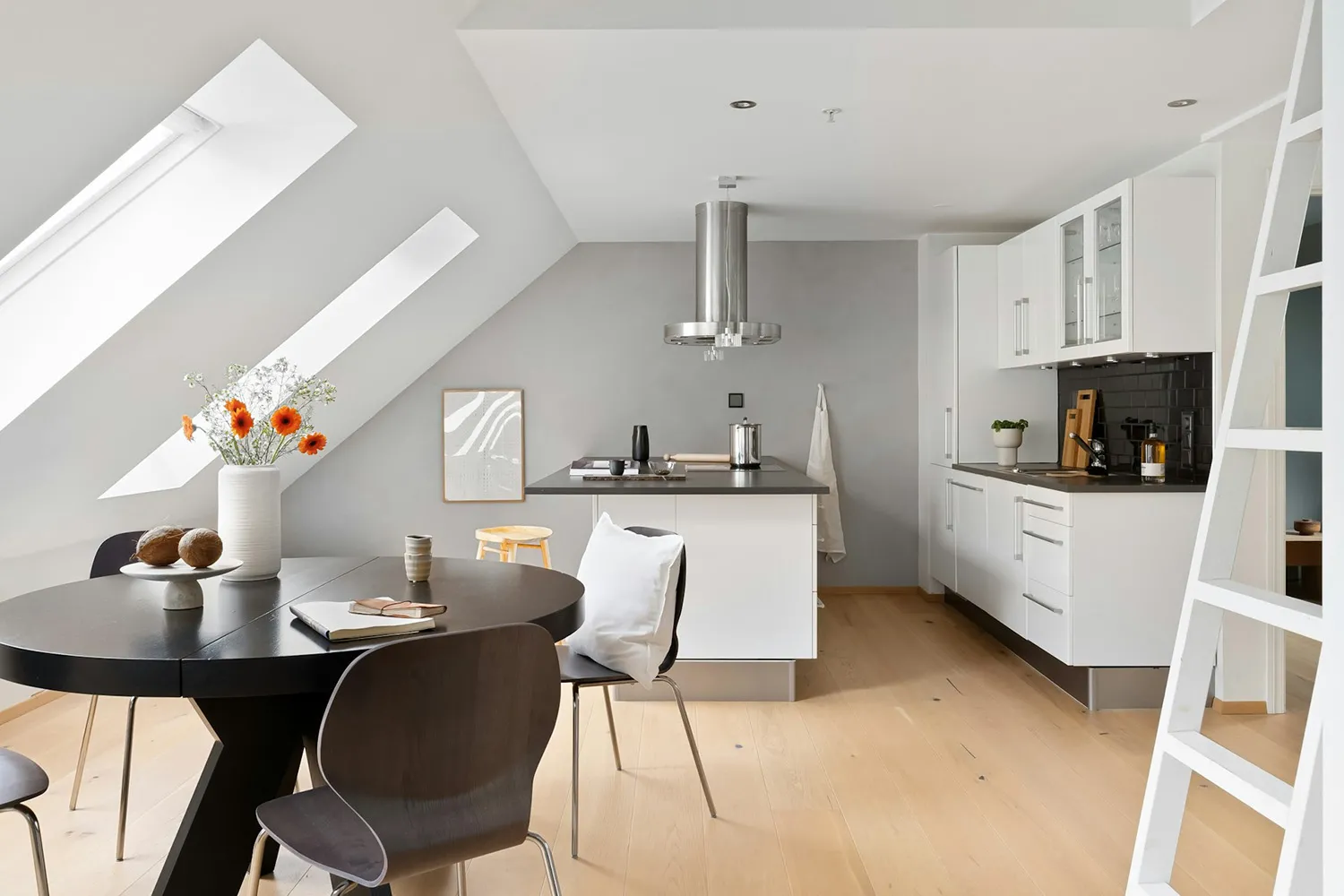
- Kitchens: Overhead light provides even illumination for work areas, supporting order and cleanliness essential to the room.
- Living Areas: Light follows the lines of the furniture and the textures of materials, creating subtle accents and a more intimate atmosphere without additional decorative elements.
- Staircases and Hallways: These areas become “light axes.” By drawing the eye upward, skylights increase the perceived ceiling height and make transitional spaces feel more open.
- Bathrooms: Skylights bring in soft daylight and preserve privacy.
The geometry of the opening determines the quality of light. Wide skylights produce broad, even illumination, while narrow ones create expressive, sharply defined beams. Even a compact skylight, if placed strategically above a kitchen island, a seating area, or a passageway, can fundamentally change how a room is perceived.
Performance and Technology
Modern skylights integrate light and ventilation control to maintain a stable indoor microclimate and atmosphere. High-performance glazing reduces heat loss in winter and prevents overheating during summer.
Intelligent sensors and automated dimming ensure precise control of light levels. Large-format “windows to the sky” or concealed ceiling-integrated frames support a clean aesthetic, combining design clarity with technical performance.
Skylights allow an interior to breathe, transform, and live according to the rhythm of the day. When decor is minimal, light becomes the primary material, shaping the space and giving it lasting beauty.