
Light as an Architectural Accent in Deconstructivism
In deconstructivism, light is what makes these spaces readable — it reveals how their forms actually work. Architects working in this style long ago abandoned straight lines and harmonious, symmetrical volumes. Thoughtful lighting helps reveal complex forms and emphasizes their internal dynamics.
In contemporary projects, skylight installation services are particularly in demand, enabling daylight to be integrated into the architecture in a way that accentuates every curve and angle of the space.
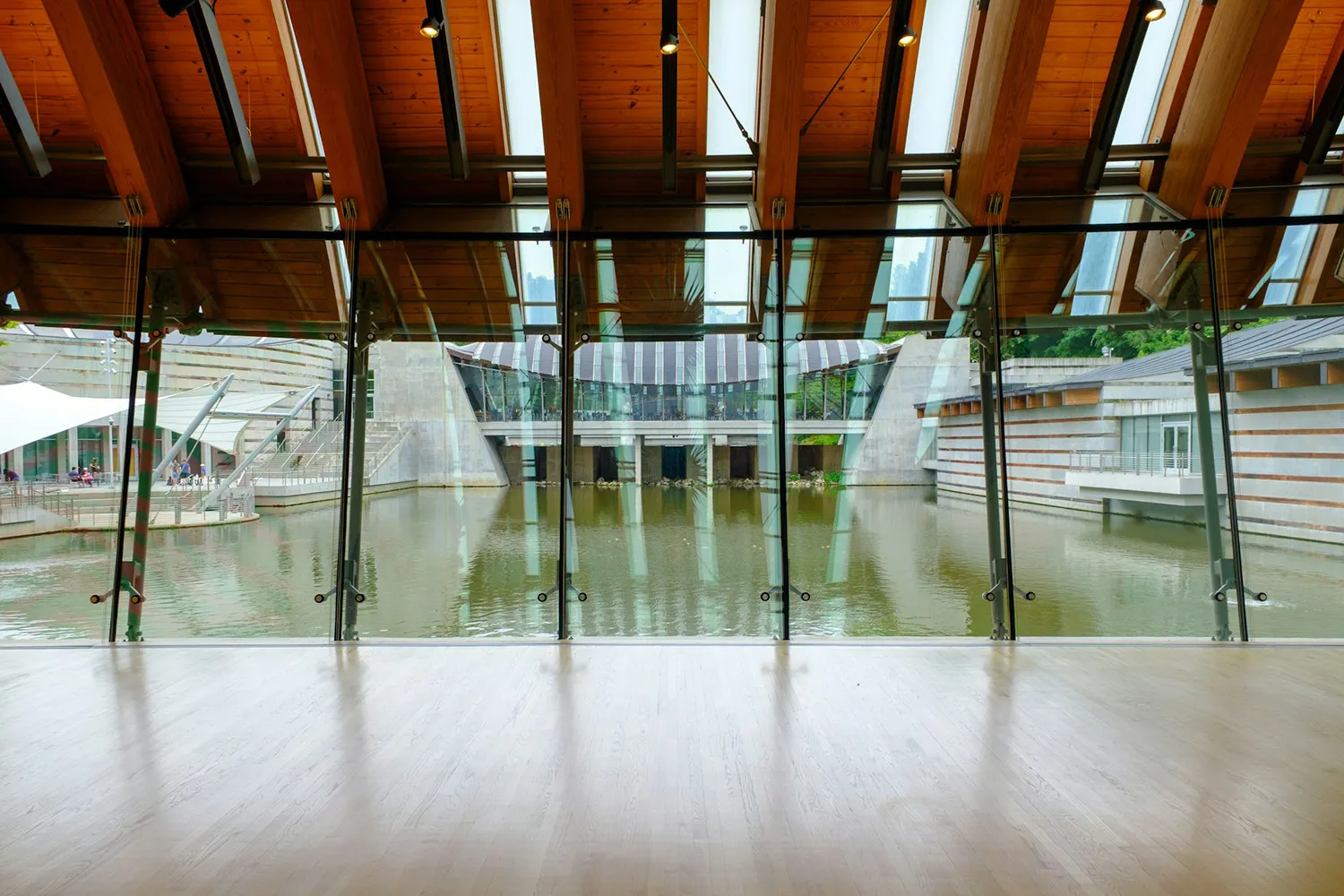
When Forms “Break” the Rules
Deconstructivism emerged in the late 20th century and immediately stood out for its radical approach: a rejection of straight lines, conventional proportions, and symmetry. Names most often associated with this movement are Frank Gehry, Zaha Hadid, and Peter Eisenman. They did not aim for calm, uniform spaces. Their buildings feel unstable, almost as if the structure is in tension with itself.
Unconventional forms create visual “fractures.” Planes intersect at unexpected angles. Each volume seems to follow its own logic. Flat, frontal lighting fails to register this kind of geometry. Surfaces break into shadows and highlights, creating a need for a more precise approach to natural lighting.
Light as a Tool of Expression
In deconstructivism, light actively shapes how the space is perceived. Sometimes it is soft, diffused rays that emphasize curves. Sometimes it is sharp contrasts that reveal the dynamics of planes.
In interiors with split levels and complex geometry, top lighting becomes a primary way of structuring the space. Even small skylights in the living room can draw light deep into the room, picking out surfaces and structural elements.
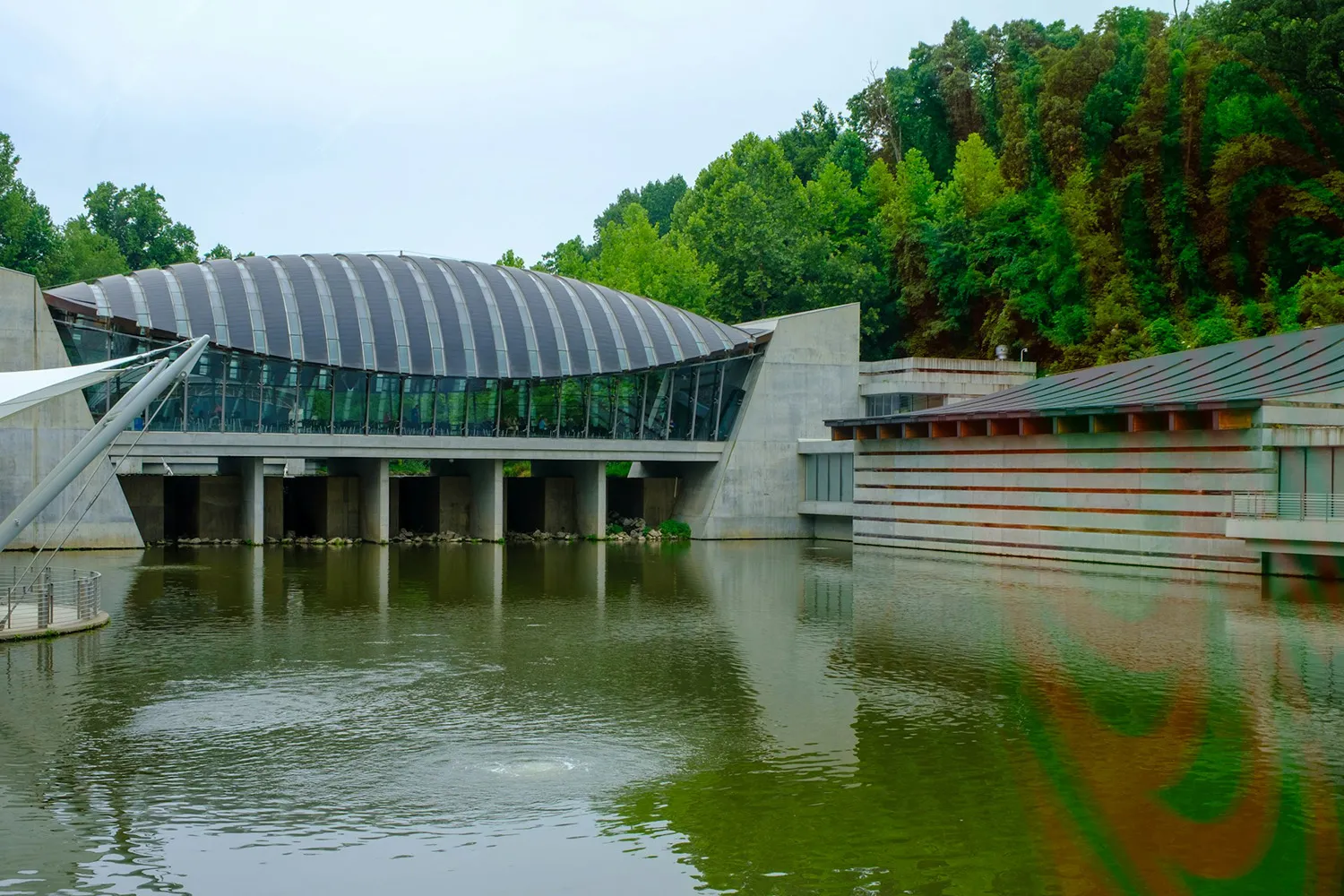
Skylights in Contemporary Architecture
In large-scale projects, top lighting is integrated directly into the architecture. At the Crystal Bridges Museum of American Art, skylights diffuse light across multiple levels, keeping it even and controlled. This brings out material textures, clarifies large volumes, and preserves the natural color of the exhibits. Thoughtful placement and shape of the openings guide the visitor’s eye through the gallery, revealing the building’s architectural lines and complex geometric solutions.
The same approach applies to residential interiors. In some areas, where dense development or climate conditions limit daylight penetration, architects turn to skylight replacement, for example, in Orange County. Older or less efficient openings are updated so that daylight reaches deeper into the space, accentuating volume and material textures.
Deconstructivism is often seen as cold or overly intellectual. In reality, it is a dynamic dialogue between light and form. Skylights make spaces legible, rich, and emotionally resonant.