
Eco Style and Skylights: A Unified Spatial Concept
Eco style emerged in the mid twentieth century as a response to visually overloaded interiors and a growing fascination with high-tech design. Design shifted toward natural materials to restore calm and authenticity.
Eco style is defined by clarity and restraint. There are no complex visual effects or unnecessary details. Expression comes from natural materials and their interaction with light. With the right lighting, textures appear more dimensional, and tones deepen.
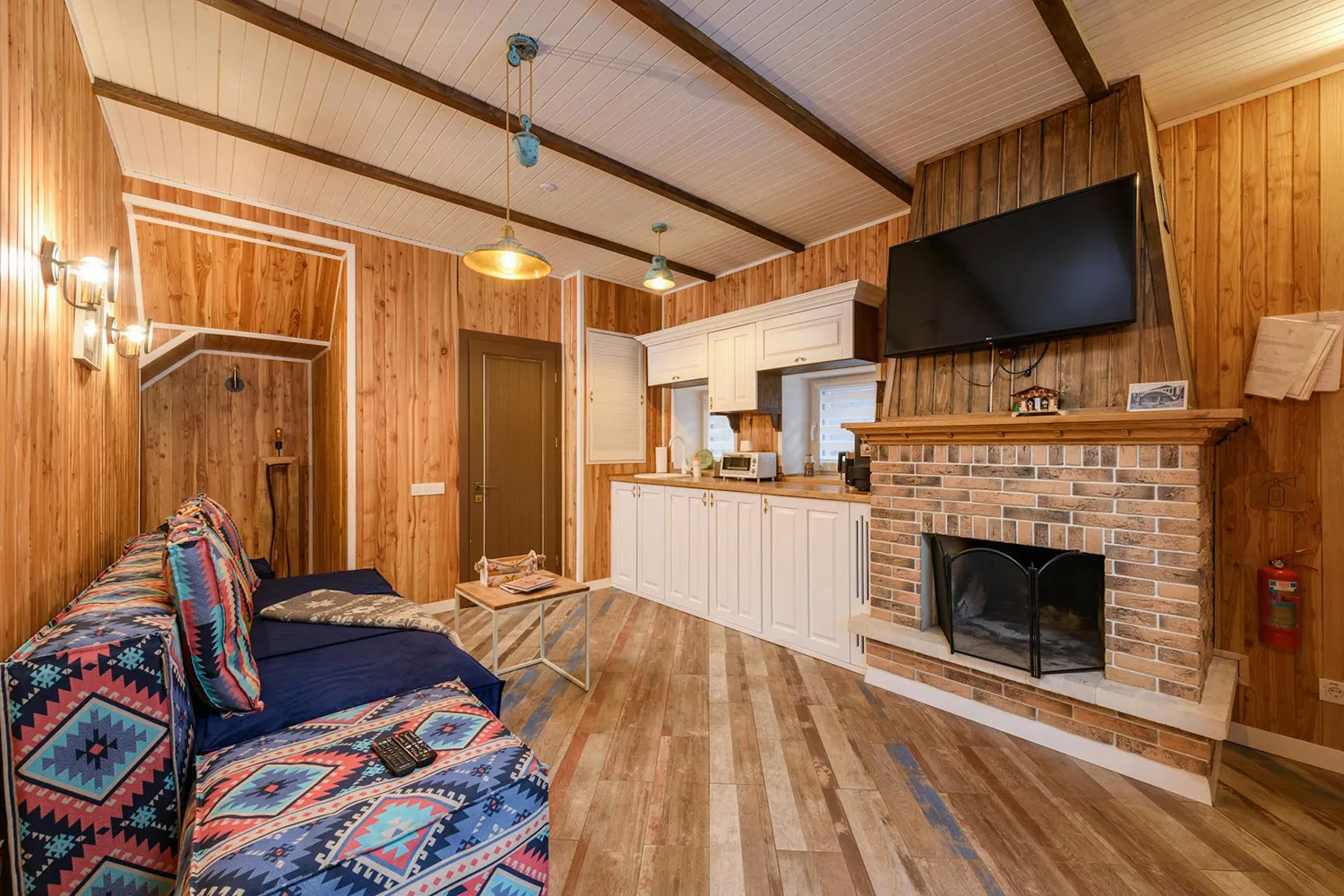
Defining the Character of Eco Style
Natural materials define the interior through clarity and warmth. Warm wood with a distinctive grain, stone with natural variation, and textiles with varied textures form the foundation of a space.
The color palette is restrained. Beige, gray-green, and sandy tones create a backdrop against which interior details appear most harmonious. The palette keeps the space visually calm, allowing textures to create depth. Stone elements add solidity, while textiles and accessories bring warmth and comfort.
Life hack: to make the texture of wood or fabric appear deeper, position the object or decorative accent at an angle to the incoming light. An angled stream of light creates a soft shadow that naturally highlights the surface relief.
Natural Light as Part of Architecture
In eco style, light acts as an architectural tool. Materials change in appearance throughout the day. Morning light is bright and cool; evening light is softer and warmer.
Light from above adds depth and clarifies volume. Skylights bring the natural rhythm of the day into the interior, increasing openness and reducing enclosure.
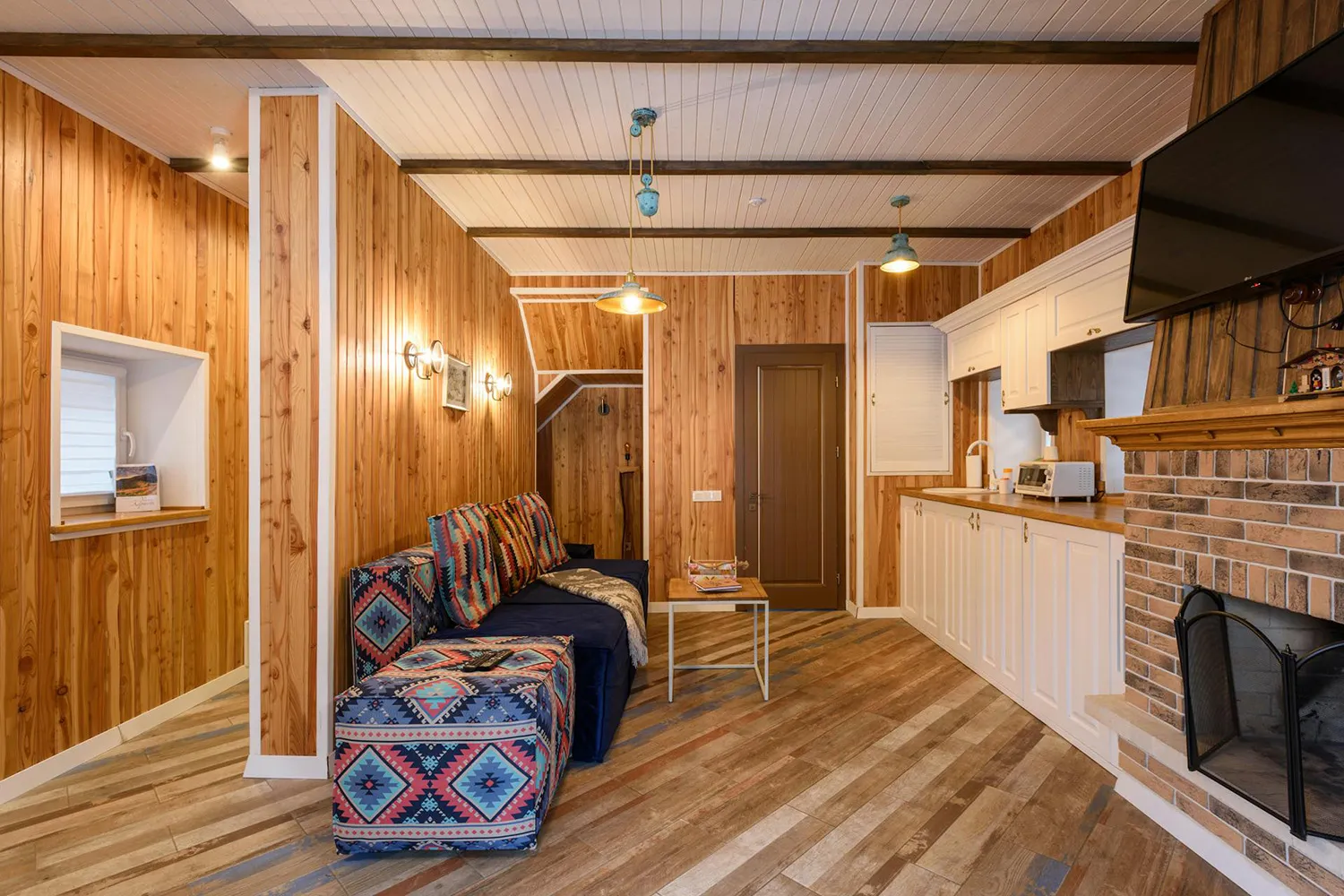
Working with Materials and Light
1. Choose materials based on how they behave in daylight. Stone looks best under angled overhead lighting. A 30 to 45-degree angle highlights relief and texture.
2. Evaluate textiles and accessories in natural light. Skylights allow precise control of illumination, emphasizing specific areas without overwhelming the space.
3. Plan the flow of light when arranging furniture. A desk, sofa, or armchairs are best placed where light falls at a direct or slightly angled position. Such placement improves both visual balance and usability.
4. Use reflective surfaces such as glass, metal, and light-colored stone.
5. Consider the orientation of skylights relative to the sun. The orientation of skylights controls the character of the lighting, from more defined morning light to softer evening light.
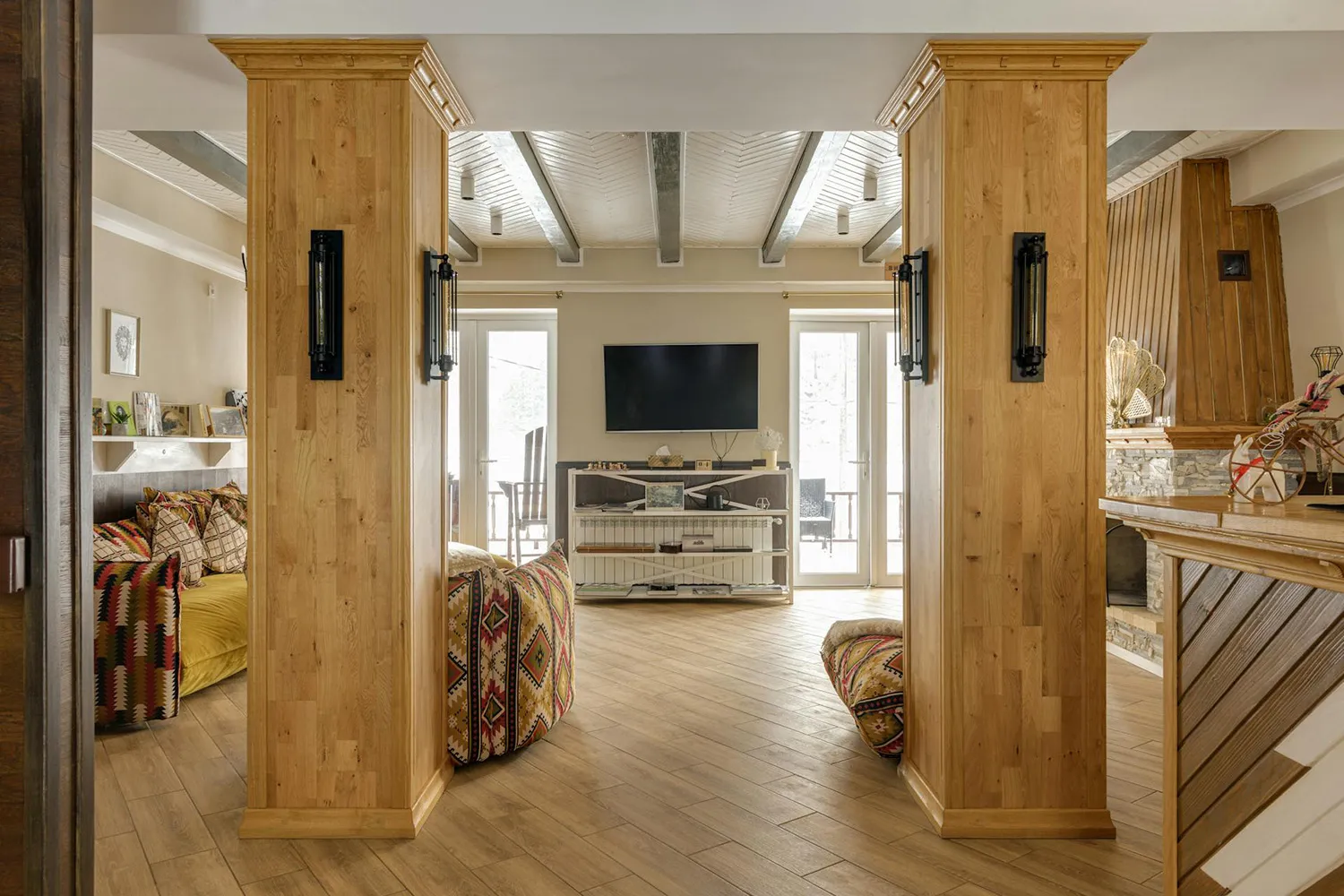
Daylight in Residential Spaces
1. Bedroom: direct light toward the headboard and bedside tables. Such lighting allows for reading and waking without glare. Adjustable shading systems help maintain privacy and a soft atmosphere.
2. Living room: skylights evenly illuminate a key area, such as the seating zone. This emphasizes the form and material of the furniture while maintaining balance. To avoid sharp shadows, larger rooms can incorporate several light openings.
3. Kitchen: daylight is especially important for work zones. Position the countertop and stove so that light falls directly onto the work surfaces. A direct stream of light increases comfort and makes the space safer to use.
Tip: Before arranging furniture, test several layout options to determine the optimal zones of illumination. The result is a better alignment between light and materials.