
Modernism and Skylights: How Light Transforms Interiors
Light defines a modernist interior and adds depth. Even a single skylight in the living room can change the atmosphere, filling it with daylight and making the space feel more open.
20th-century architects understood that the proper distribution of light sets the rhythm of a space, emphasizes forms, and makes the interior feel dynamic.
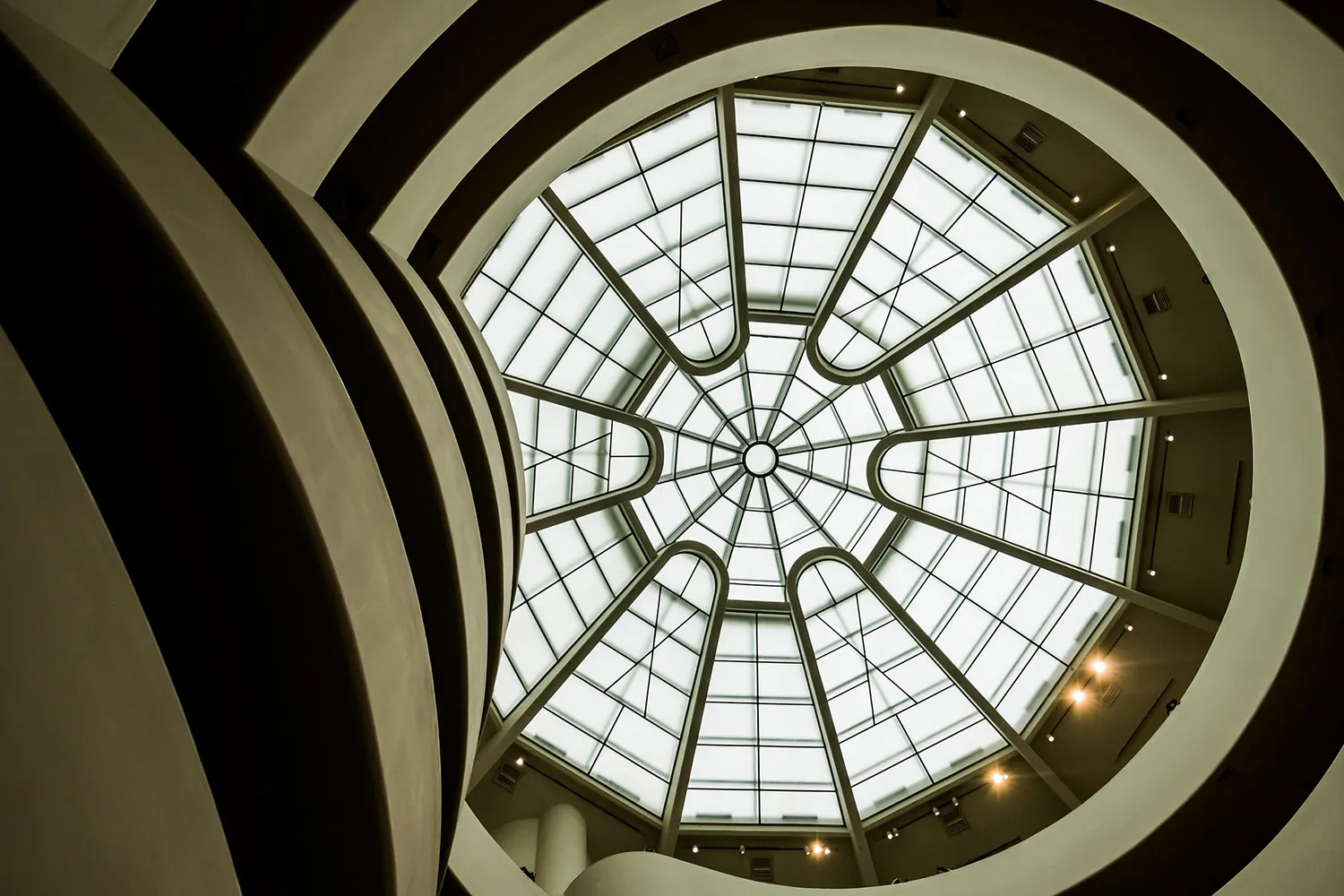
Modernism: Simplicity, Functionality, and the Philosophy of Space
Modernist design is built on clear lines, open plans, and the rejection of unnecessary decoration. Behind the minimalist forms lies a principle of freedom and logic: every detail serves a function and contributes to perception. Natural light shapes the mood and structure of the space.
In Louis Kahn’s work, these principles are expressed through space and material. His projects, such as the Yale Center for British Art, demonstrate how daylight can be used to create subtle nuances of perception. Skylights cast soft shadows and highlight the textures of walls and furniture. Each room turns into an independent space where light defines lines and proportions. For Kahn, light becomes an architectural material that shapes the emotional experience of architecture.
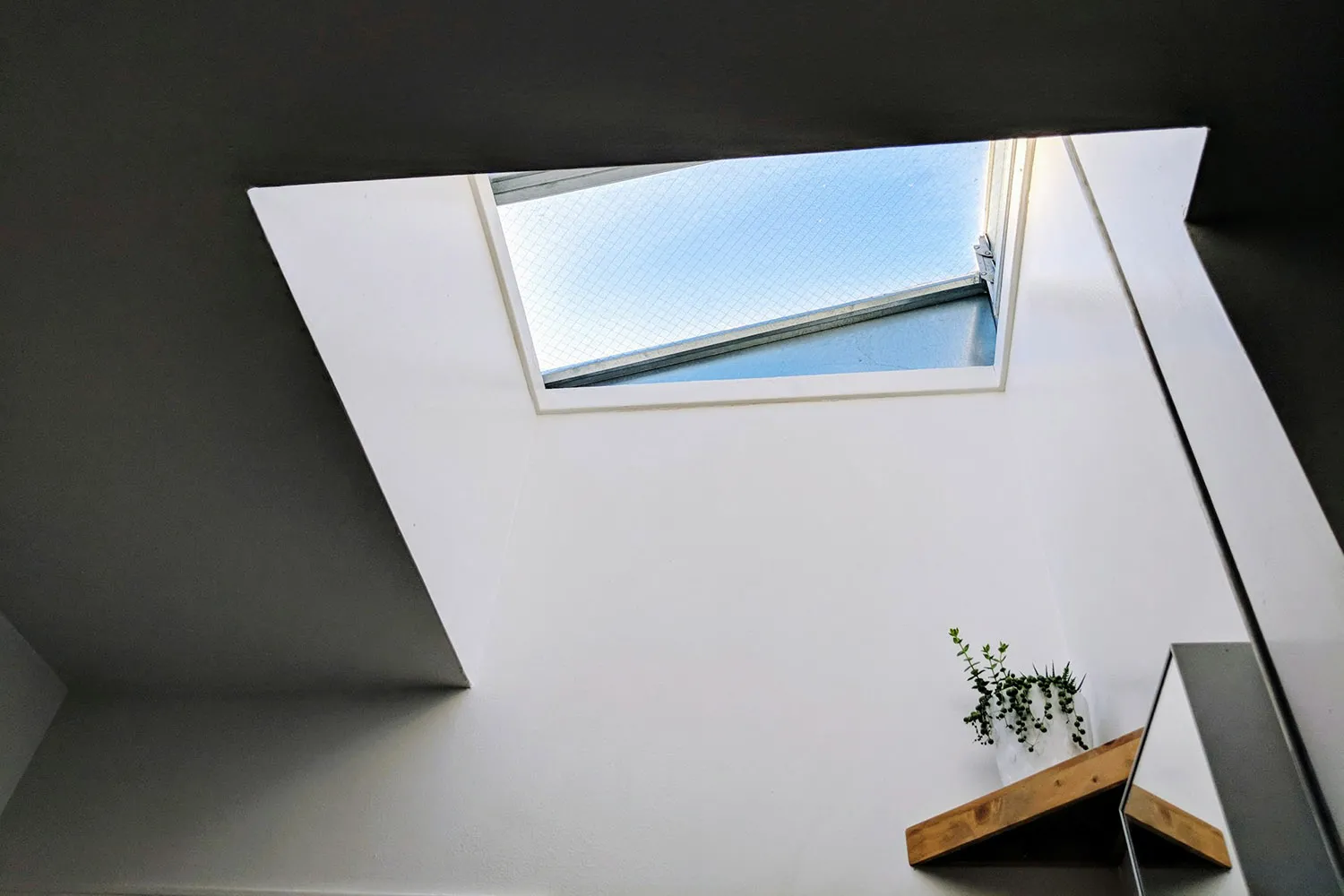
Light in Every Room
A modernist interior comes alive through a variety of light sources. Light wells, atriums, and skylights create gentle streams of daylight that reach every corner. They soften shadows, accentuate lines, and enhance depth and spatial clarity. In the morning, light feels bright and fresh. During the day, it highlights the forms. In the evening, diffused light softens the space.
In a modernist interior, light establishes the rhythm of a room, defines focal points, and creates a depth that cannot be replicated with artificial lighting.
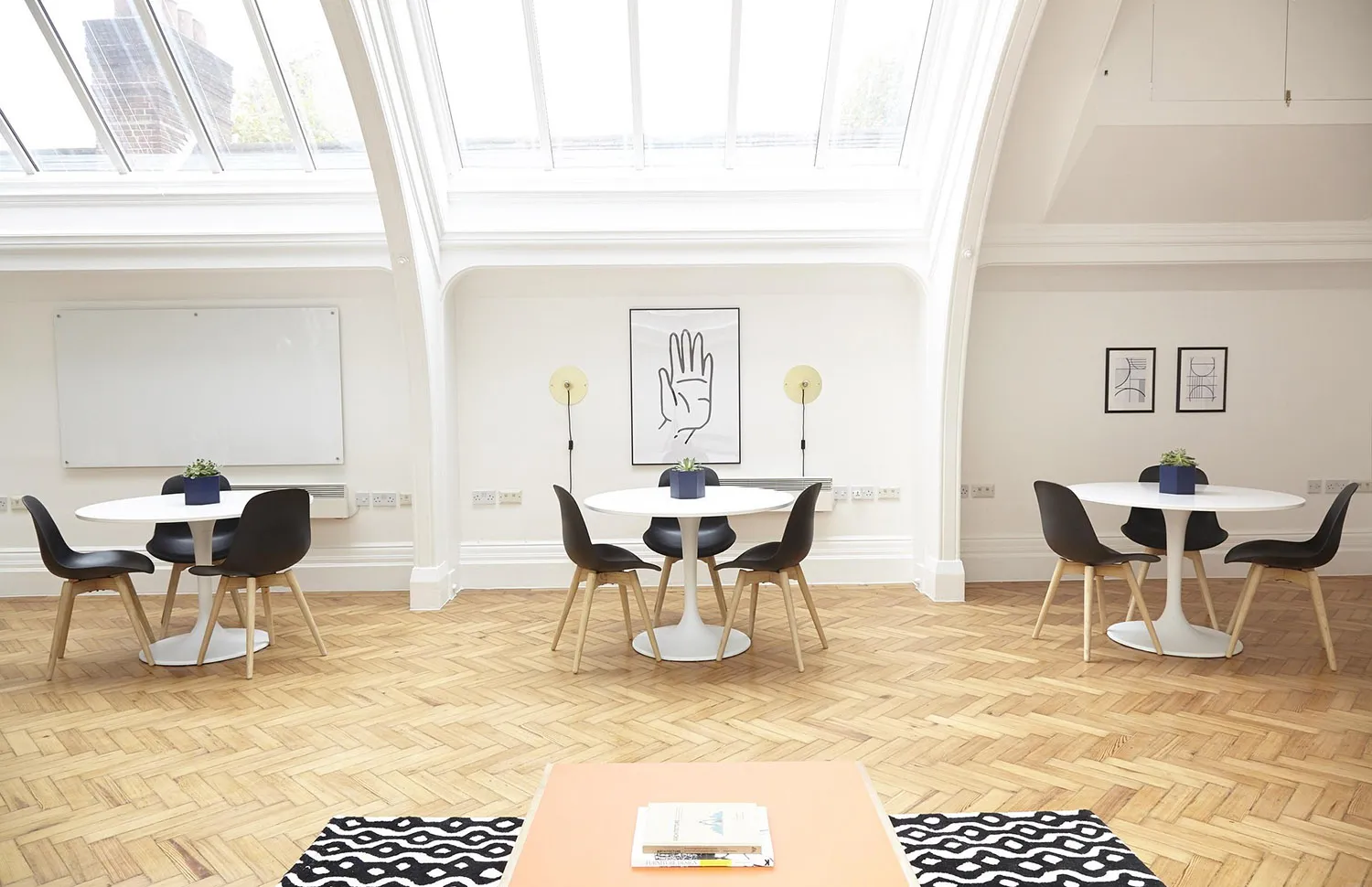
Contemporary Solutions: Modular VELUX Skylights
Modular VELUX skylights change how natural light is used in architecture. They allow large openings that can be adapted in shape, size, and position. The modules can be combined to distribute daylight evenly throughout a space.
Modular solutions give architects the freedom to experiment with the volume and rhythm of light, tailoring it to the functional zones of a space. In sunny regions, for example in Los Angeles, skylight installations maximize daylight, opening up the upper areas to light, creating illumination without glare, and integrating ventilation and energy-efficient technologies. The roof thus functions as an active architectural element that works with light throughout the day
Let light be your main ally in designing interiors. Consider where skylights could be added to shape light in a space. Shape, placement, and modular systems change how the space is perceived. Let light be the tool that inspires, enlivens, and turns a house into a place you want to return to again and again.