
Skylights and the Birth of New York Loft Culture
During the industrial era, factories and warehouses in Manhattan were designed to maximize natural light and support practical work. Skylights provided consistent daylight and ventilation, enabling workers and artisans to carry out detailed tasks efficiently.
As industrial operations moved elsewhere and these buildings became available for other uses, skylights continued to shape interior layouts and functional workspaces, helping preserve the industrial character of the buildings. Today, they are a key architectural feature of loft interiors.
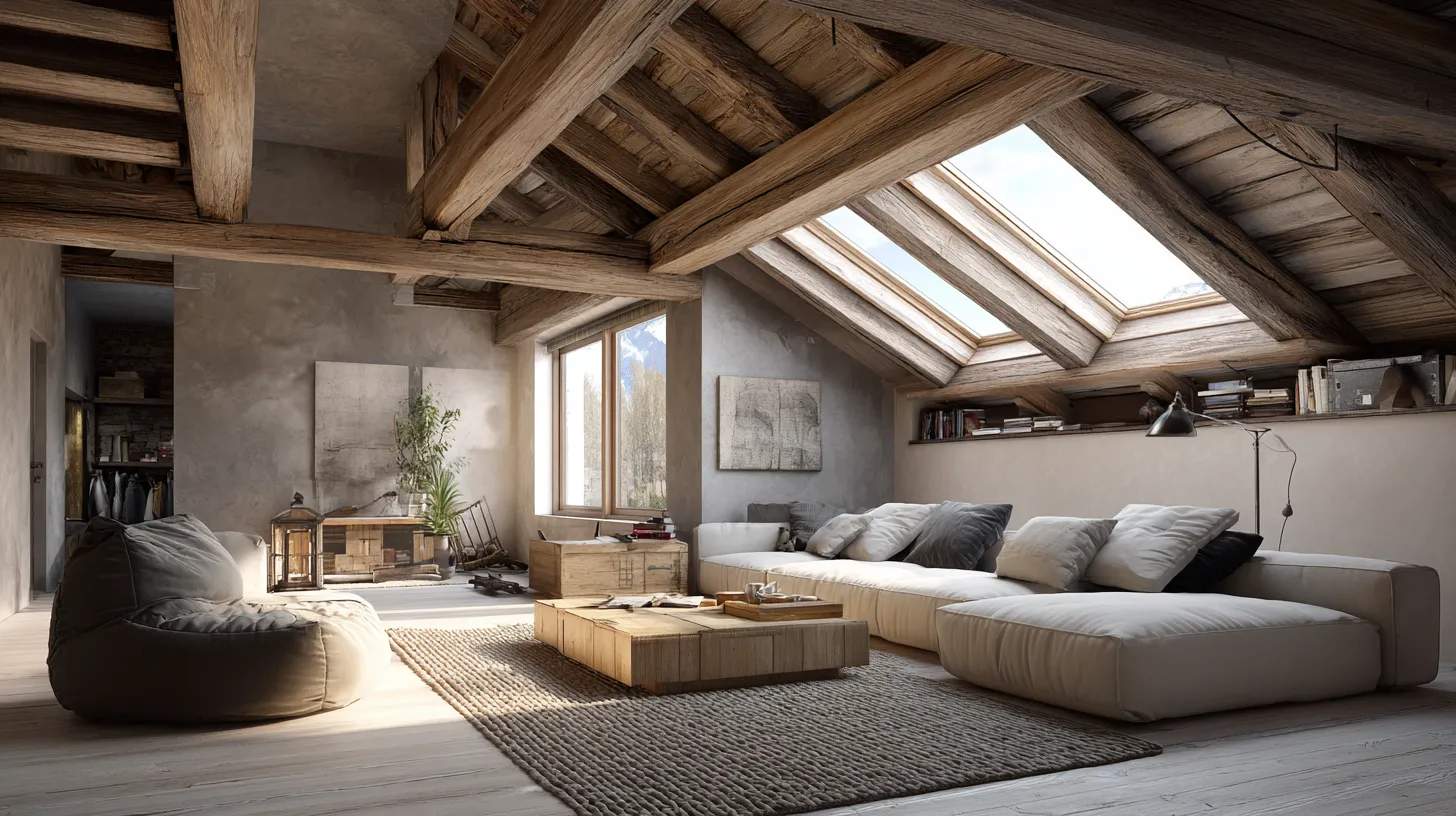
Industrial Space and the Function of Light
In the early twentieth century, factories and warehouses in Manhattan, particularly in SoHo and Tribeca, were designed to maximize natural light. Overhead lighting was the main source for large work areas, as artificial lighting was limited. This requirement defined architectural forms and influenced layouts, building structures, and window dimensions. Wide open spaces and high ceilings became a defining feature of industrial architecture and later formed the foundation of future lofts.
From Studios to Living Spaces
When industrial operations relocated, large interiors became available to artists, photographers, and designers who required consistent daylight. These spaces supported practical work needs for studios of painting, sculpture, and photography.
Over time, many of these studios were converted into residential lofts, with skylights as a central architectural feature. They were integrated with open layouts, exposed brick, concrete floors, and metal beams. These elements maintained the industrial character and provided functional residential spaces.
Skylights as an Architectural Symbol
Reimagined spaces with overhead light evolved into a new architectural style. High ceilings, open structures, and natural illumination became key characteristics of lofts, forming a visual language that designers and architects continue to reference today. Light here acts as a tool for shaping atmosphere, supporting creativity and comfort.
Modern Skylights. Technology and Light in Harmony
Incorporating contemporary technology, skylights continue to be a significant architectural element. With automated controls and expert installation, VELUX provides energy-efficient, waterproof skylights that will continue to operate dependably over time. Their skylight services cover planning, installation, and maintenance, meeting the needs of a wide range of interiors.
An experienced skylight installer customizes each installation, including blinds and sensor-based controls. This approach allows natural light to effectively illuminate spaces while maintaining both functional and architectural standards.
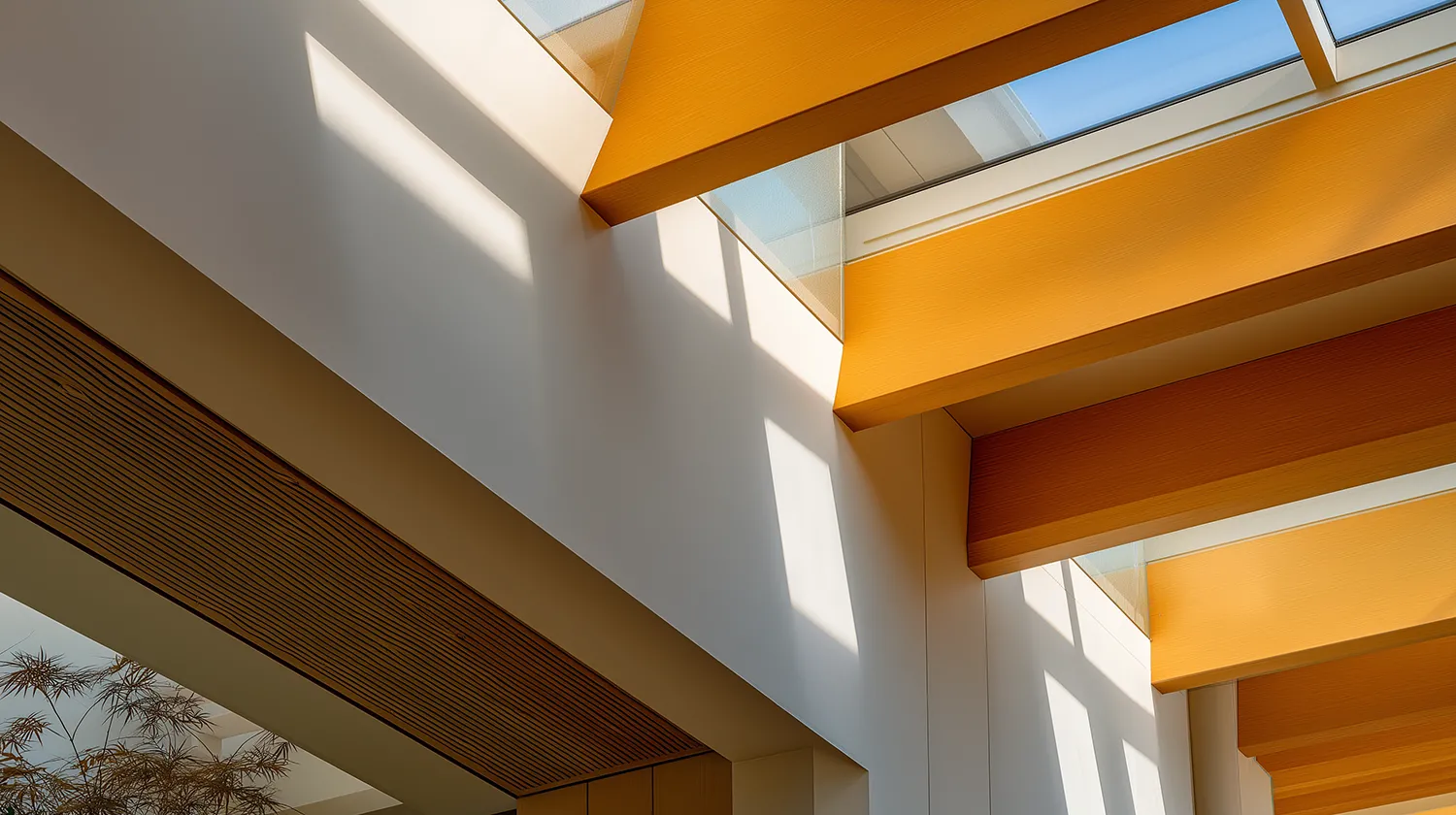
Heritage and Contemporary Examples
The concept of overhead lighting, proven in historic New York lofts, is now applied in modern architecture worldwide, including residential and commercial projects in Los Angeles County and Orange County. Architects create custom skylight solutions, considering interior specifics, building orientation, and available natural light.
This versatility makes skylights suitable for all types of spaces. In loft apartments, skylights highlight industrial features and enhance the functionality of the interior compared to standard windows.
Give light the opportunity to transform space. Discover new possibilities for your interior with VELUX skylights.