
Skylights in Industrial Architecture of New England
Even though the idea of overhead lighting existed long before the industrial era, it was in New England that it found systematic industrial application. With their long, high, and deep workrooms, factories in Massachusetts and Connecticut became centers of the American textile industry. Yet working conditions were far from ideal. Insufficient daylight led to frequent mistakes and workplace accidents, and the limited light from side windows was rarely enough for such expansive interiors.
In this context, skylights became part of the engineering approach to factory design. They provided consistent lighting in large spaces, improved work efficiency, and allowed production processes to be standardized. Overhead lighting thus evolved from an architectural concept into a functional tool, laying the foundation for industrial skylight logic specifically in New England.
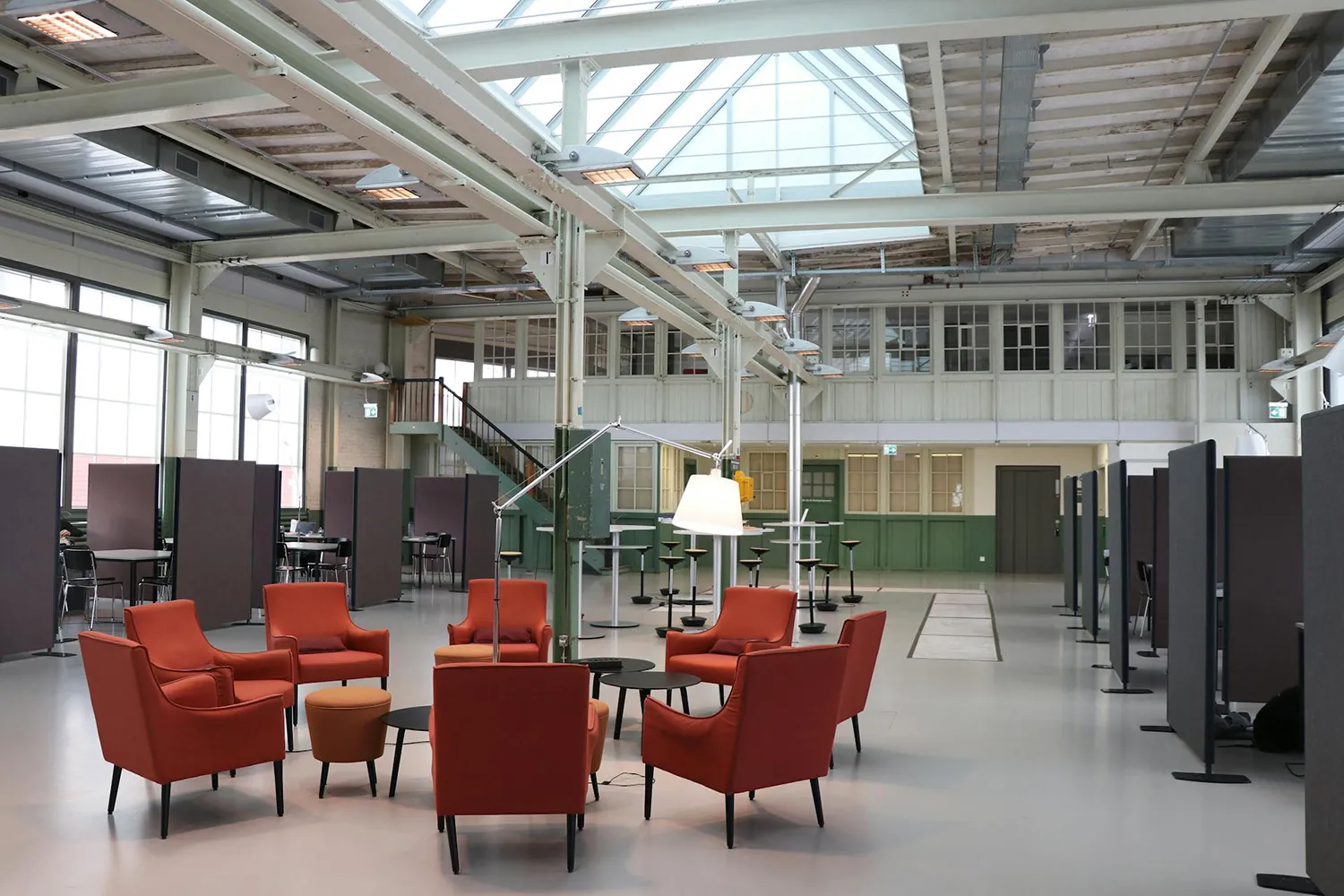
Roofs That Worked
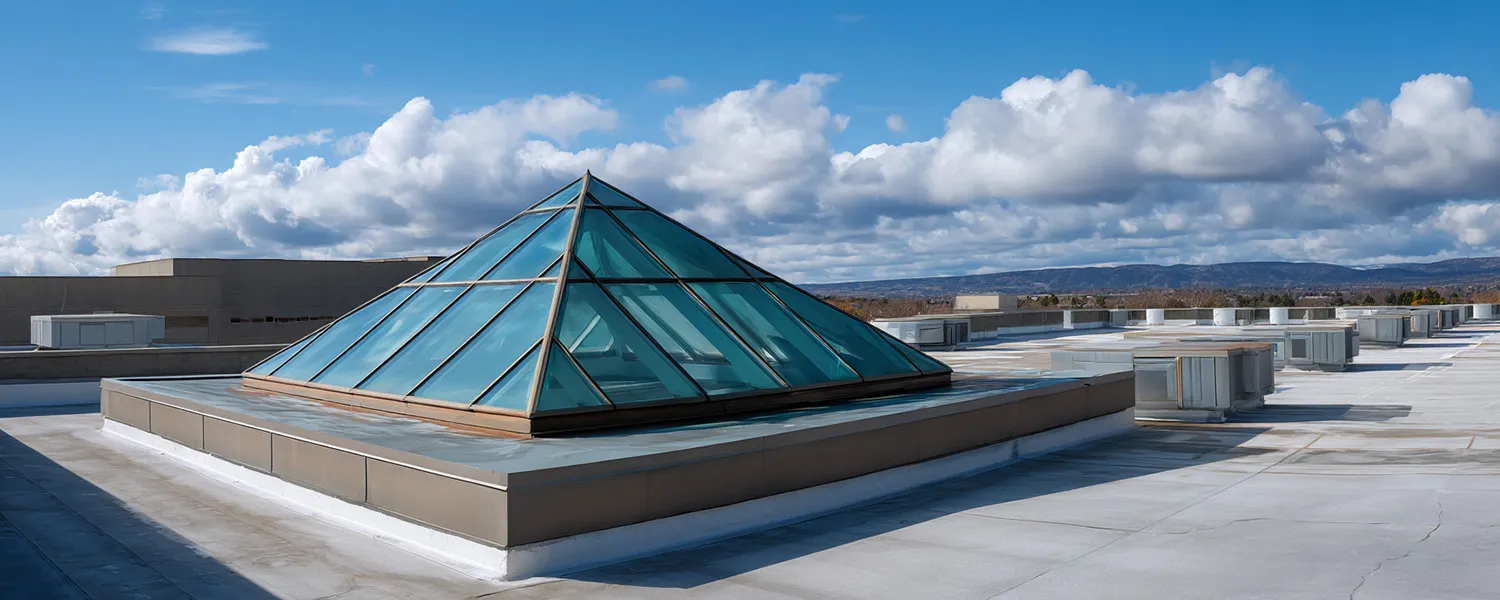
The first factory skylights were simple in design. Glass domes, continuous roof lights, and iron-and-glass structures offered even illumination while minimizing harsh shadows.
These solutions increased productivity and safety, though they had clear limitations. In summer, spaces could overheat, in winter, they lost heat, and ventilation remained a challenge.
Over time, these early engineering principles developed into today’s custom skylight systems. Instead of standard solutions, architects now design them in response to a building’s specific structure, climate, and use, carefully balancing natural light with thermal performance and visual quality.
How Overhead Light Changed the Workday
Over time, it became clear that light changed the very structure of the workday. Well-lit workspaces reduced accidents, helped workers spot fabric defects earlier, and supported focus. The rhythm of production became smoother and more predictable. In New England, skylights gradually shaped a new working environment where light became part of everyday life.
Factories That Became Heritage
New England’s industrial landscape shifted throughout the twentieth century. Factories that had once been loud with machinery and labor slowly fell quiet. Rather than being demolished, many of these massive buildings were repurposed.
Former mills were converted into loft apartments, studios, workshops, and shared community spaces. Renovations aimed to retain their defining features: high ceilings, broad open floors, large windows, and the heavy structural frames typical of industrial construction at the time.
Skylights, originally installed to illuminate factory floors, became a key element in these transformations. During renovations, they were either preserved or adapted to fill new spaces with soft natural light, emphasize the scale of the rooms, and create a sense of openness.
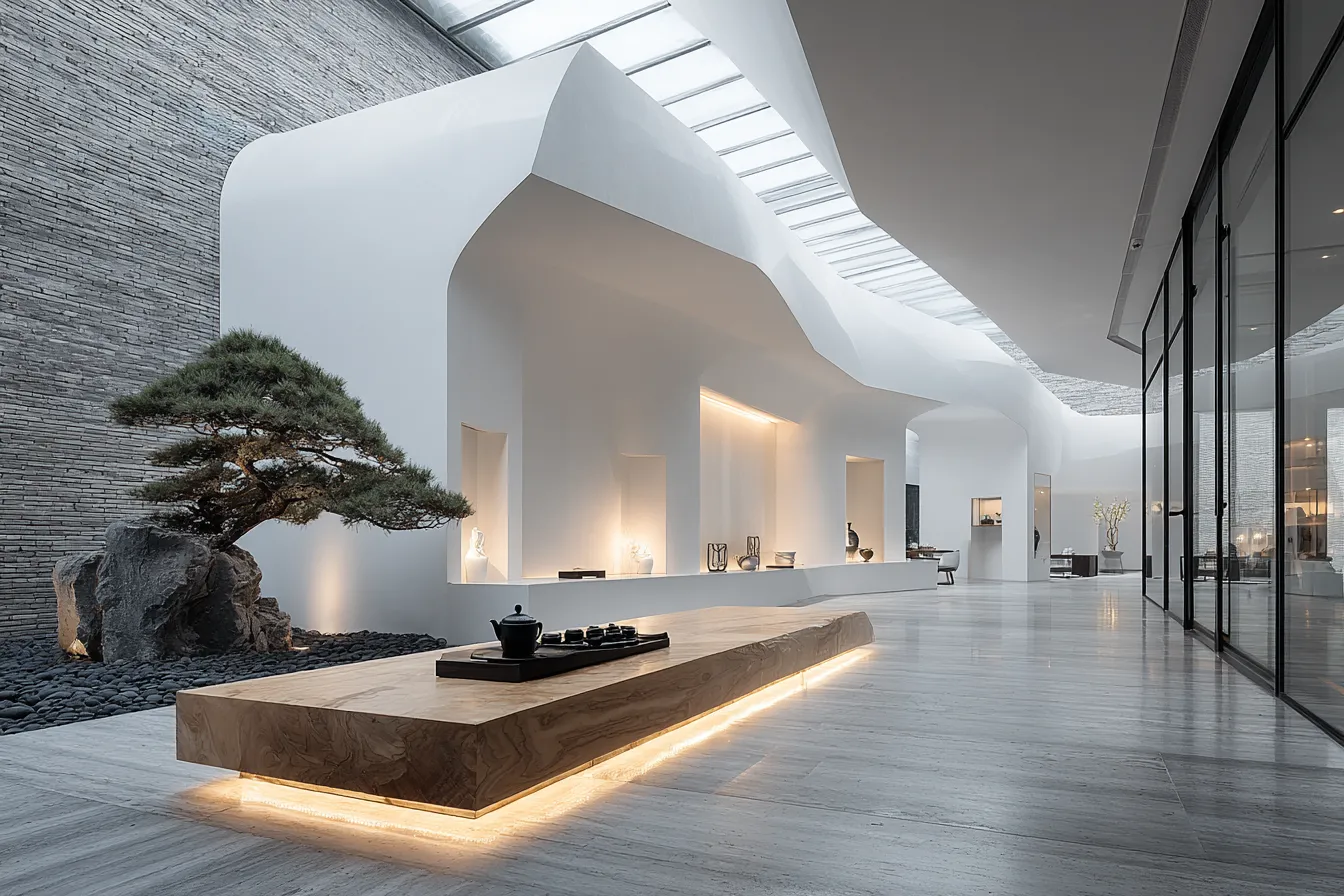
Contemporary Skylights: Using Light in Architecture
Today’s skylights reflect decades of technical refinement. Rather than simply admitting daylight, they allow architects to shape how light enters a space, influence the atmosphere of an interior, and improve overall energy performance.
Modern solutions inspired by New England’s industrial heritage are implemented by professional skylight contractors, and VELUX technologies allow functionality and aesthetics to be combined at a new level.
Skylights remain an important element of both historic and contemporary architecture, bridging engineering tradition and modern design approaches.