
Skylights in Japanese Residential Architecture
In Japanese houses, light is considered an integral part of the architecture. It shapes the mood, sets the rhythm, and defines the space, turning the home into a comfortable place to live.
In private homes, light sources are planned from the very beginning. Architects consider the sun’s path so that rays enter gently, casting soft, shifting shadows throughout the day.
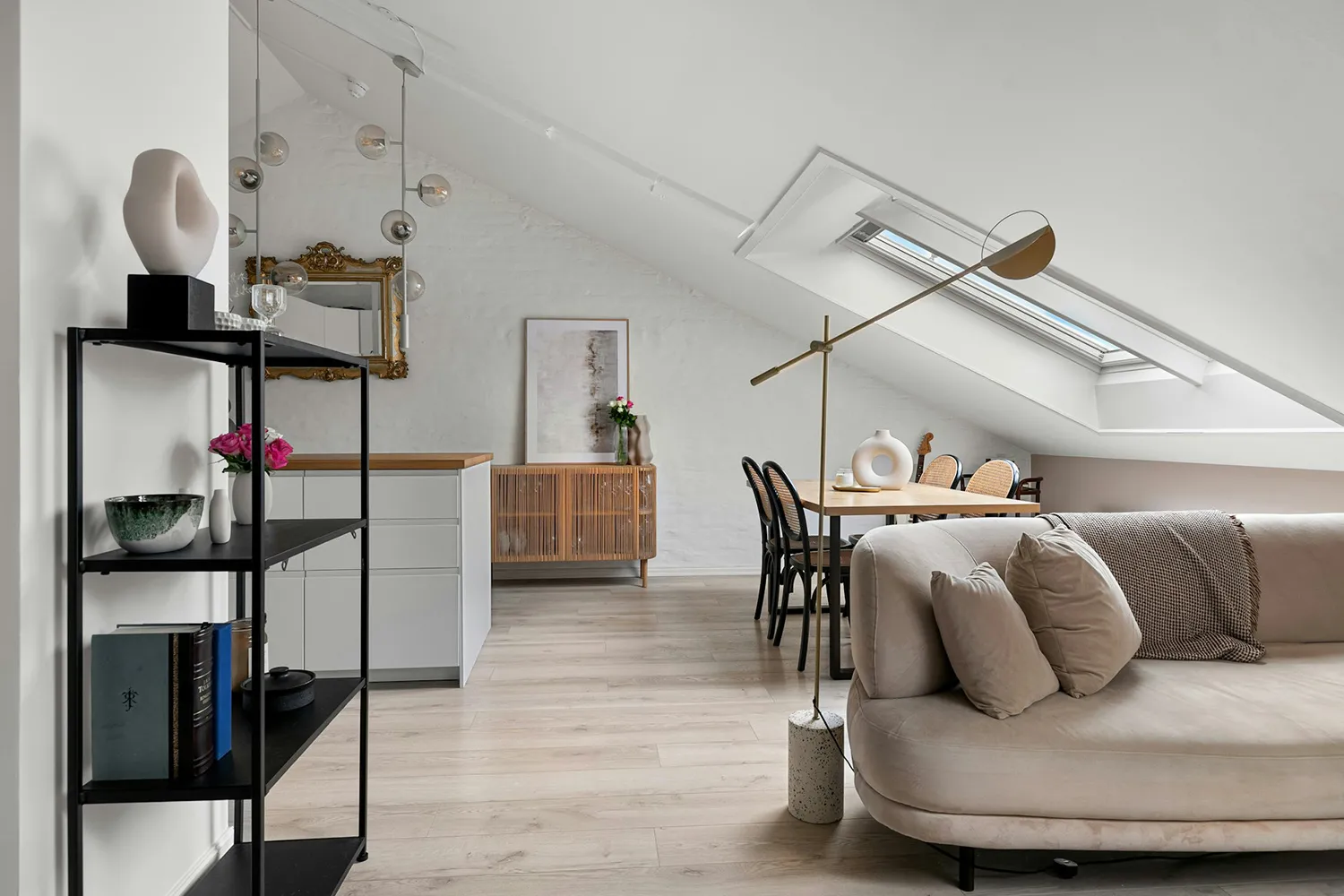
Why Do the Japanese Value Light so Highly?
In Japanese homes, the approach to it developed under the influence of dense urban construction and small plots of land. In Tokyo and other large cities, residential houses are often built on lots just a few meters wide. Side windows frequently face the walls of neighboring buildings, and the view from a window rarely serves as a source of inspiration.
This led architects to find new ways to bring light into the home. They moved away from relying on façade lighting. They began to use even daylight that penetrates the interior, regardless of neighbors or the street, creating a sense of coziness and freedom.

Materials and Soft Light
Traditional materials reinforce the approach to light. Wood, paper, clay, and textiles all catch the light differently. Soft daylight brings out their textures and small details, adding a feeling of depth. Harsh shadows can feel heavy, while gentle, diffused light keeps the space warm and inviting.
Japanese homes rely on this approach to keep the interior calm and open, avoiding harsh contrasts and broken spaces.
Shoji Screens and Courtyards as an Engineering Solution
Paper shoji screens and inner courtyards were a true engineering innovation. They soften daylight and distribute it evenly through the rooms while preserving privacy. The courtyard allows sunlight and air to enter naturally, illuminating the interior while keeping the home hidden from outside view.
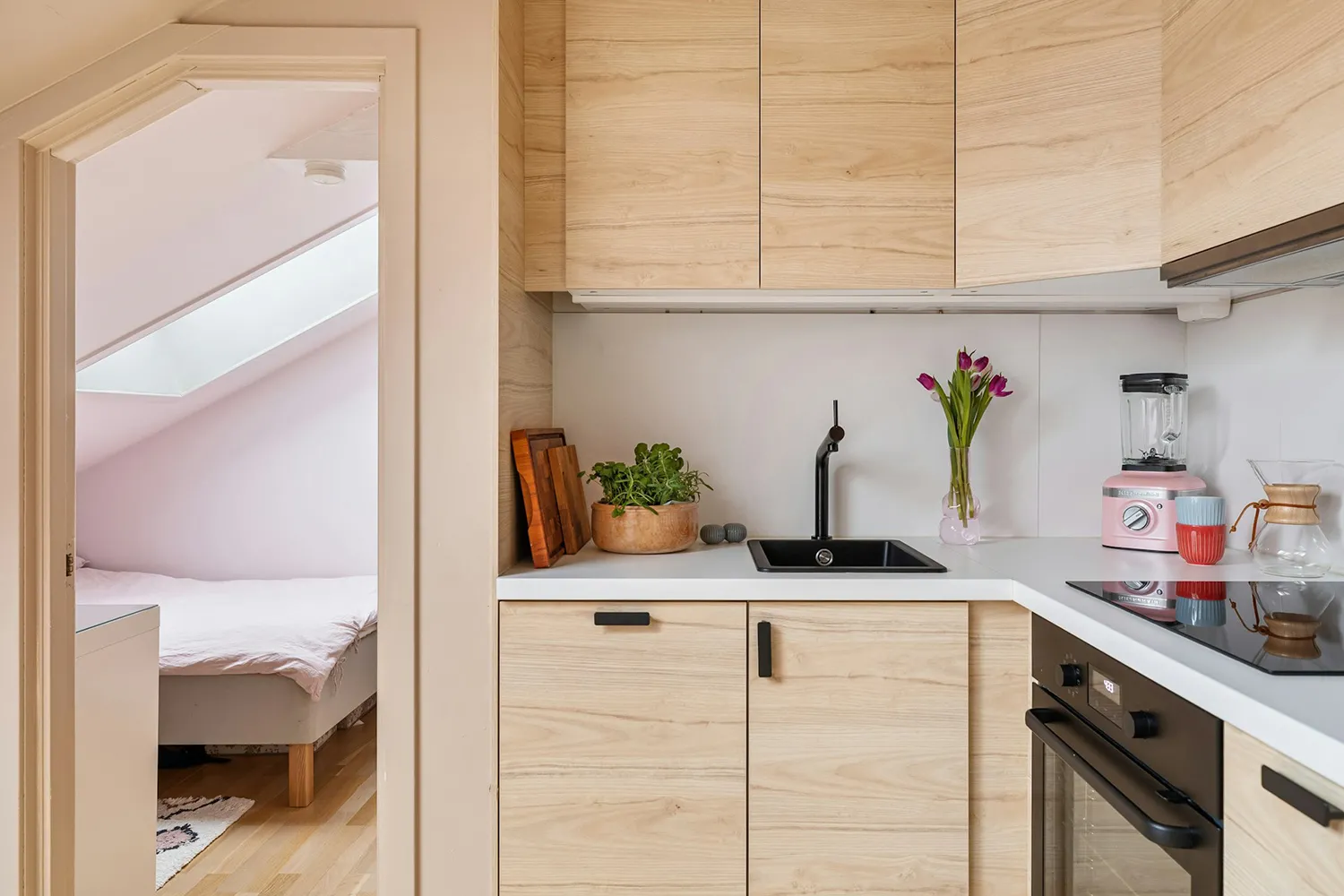
Modern Homes and Skylights: A Continuation of Tradition
Japanese architects often use concrete, glass, and metal today, but the approach to light has not changed. To maintain privacy without relying on neighboring buildings, modern houses often have fewer or smaller side windows.
Skylights are common instead, bringing soft daylight into the center of the home and spreading it evenly across all levels. This opens up walls for furniture and storage, makes it easy to rearrange the layout, and keeps the interior bright and welcoming without heavy curtains or screens.
Homes with skylights show how light can shape a space and make it feel comfortable. They let the interior breathe, maintain order, and encourage designers to treat light as a key element in shaping the home.