
Skylights in the World of High-Tech: Light and Technology
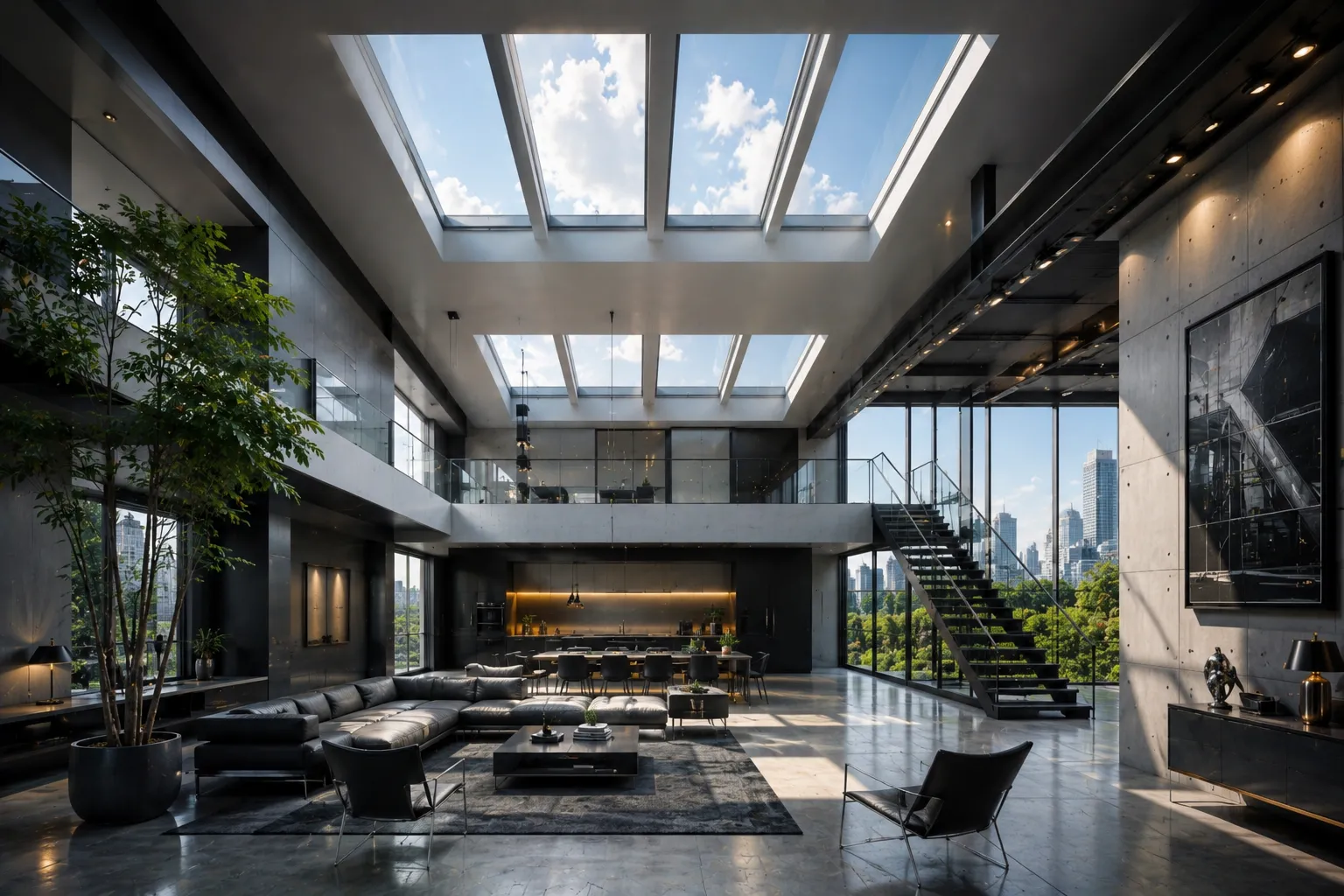
When we think of high-tech style, we often picture smooth surfaces, steel structures, and glass facades. Yet behind this visual power lies an even subtler element: light coming from above. It becomes a tool of architecture, shaping volume and influencing the perception of space.
The History and Principles of High-Tech Style
High-tech emerged in architecture in the late 1970s as an expression of a new era of technology and industrial design. The style arose against the backdrop of rapid industrial growth and scientific progress, as architects sought new forms to express functionality and the technological character of buildings.
The main idea of the style is to make engineering systems and structures visible, turning them into part of the visual composition. Unlike traditional architecture, where these elements are hidden, high-tech brings them to the forefront, making pipes, ventilation, and structural frameworks aesthetic objects.
Architects such as Norman Foster, Richard Rogers, and Renzo Piano played a major role in the development of the style. Their projects showed that technical elements could remain visible and still become part of the architecture.
A landmark example of an early high-tech building is the Lloyd’s Building in London, where all engineering systems are external, and the facade itself becomes a visually technological object.
In this way, high-tech established new rules for experiencing space. Engineering and architecture no longer exist separately, while light and structures become an organic part of the composition, laying the foundation for the use of skylights in modern interiors.
The Use of Skylights in High-Tech Interiors
A practical example of light in a high-tech interior is the Daeyang Gallery and House in Seoul by Steven Holl Architects. Every line and plane is designed with the movement of sunlight in mind.
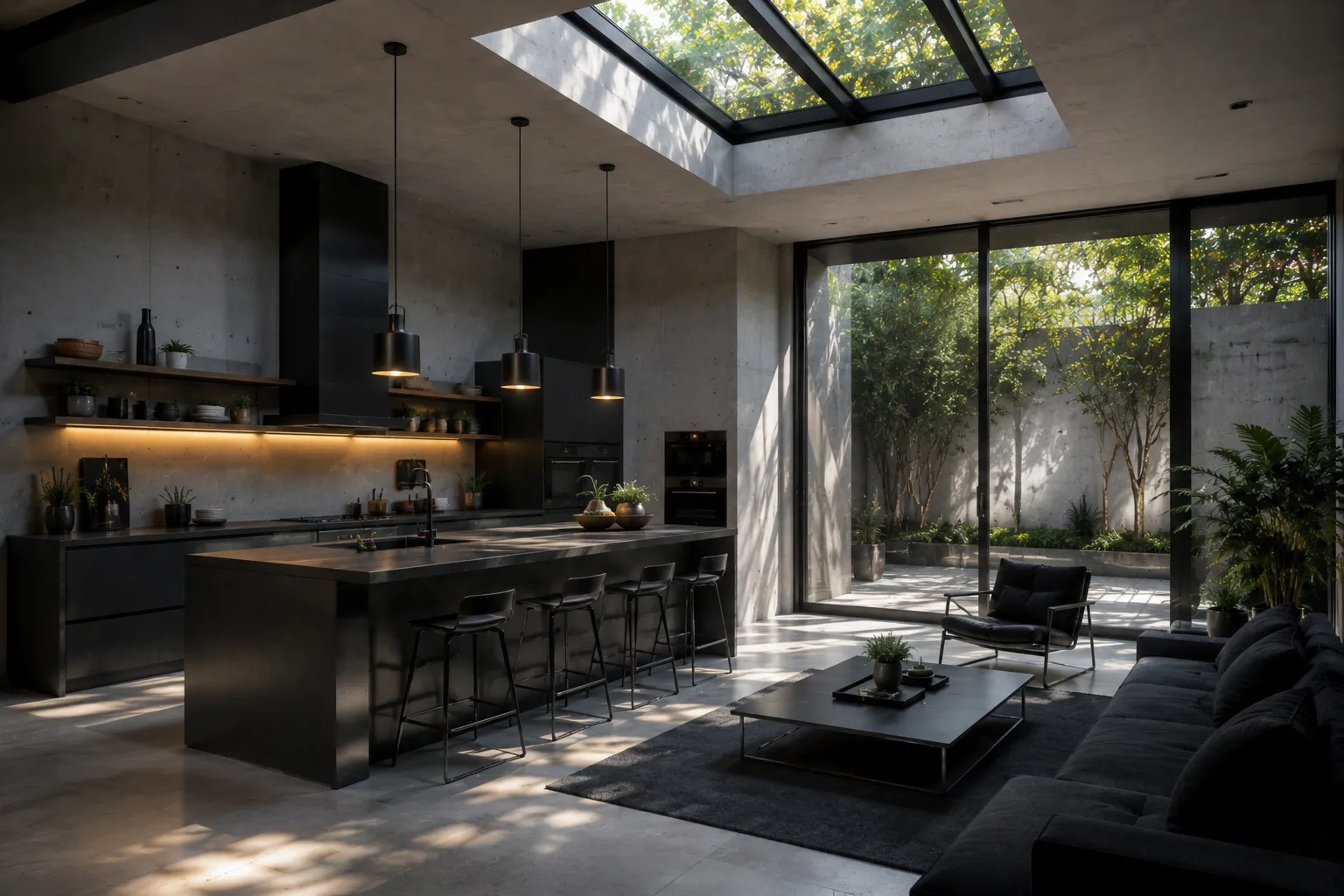
The roof seems cut by narrow strips of light, carefully planned so the sunlight falls exactly where it is needed. It glides across surfaces, creates shadows, and changes with the time of day and year, bringing materials to life and highlighting clean geometric forms.
For this reason, many homeowners choose skylight installation to bring more natural light into the interior.
The Future of Skylights in High-Tech Interiors
Modern skylights continue to evolve as engineering elements. They can include solar-powered shades and automated ventilation. Some models also use sensors to adjust airflow and indoor conditions automatically.
These ideas are reflected in modern homes, especially in sunny regions. In such areas, for example, in Los Angeles, homeowners often opt for skylight installation to fill interiors with soft natural light that emphasizes the clean lines and minimalist structure of a high-tech interior.
These solutions make Velux skylights part of a contemporary engineering system, harmoniously combining functionality, minimalism, and technological sophistication.