
The Evolution of Skylights in the History of Architecture
Light has always been one of architecture’s most powerful tools. It highlights form and texture, creates atmosphere, and shapes space. Skylights extend this potential as defining architectural elements.
Why Are Skylights Important to Architecture?
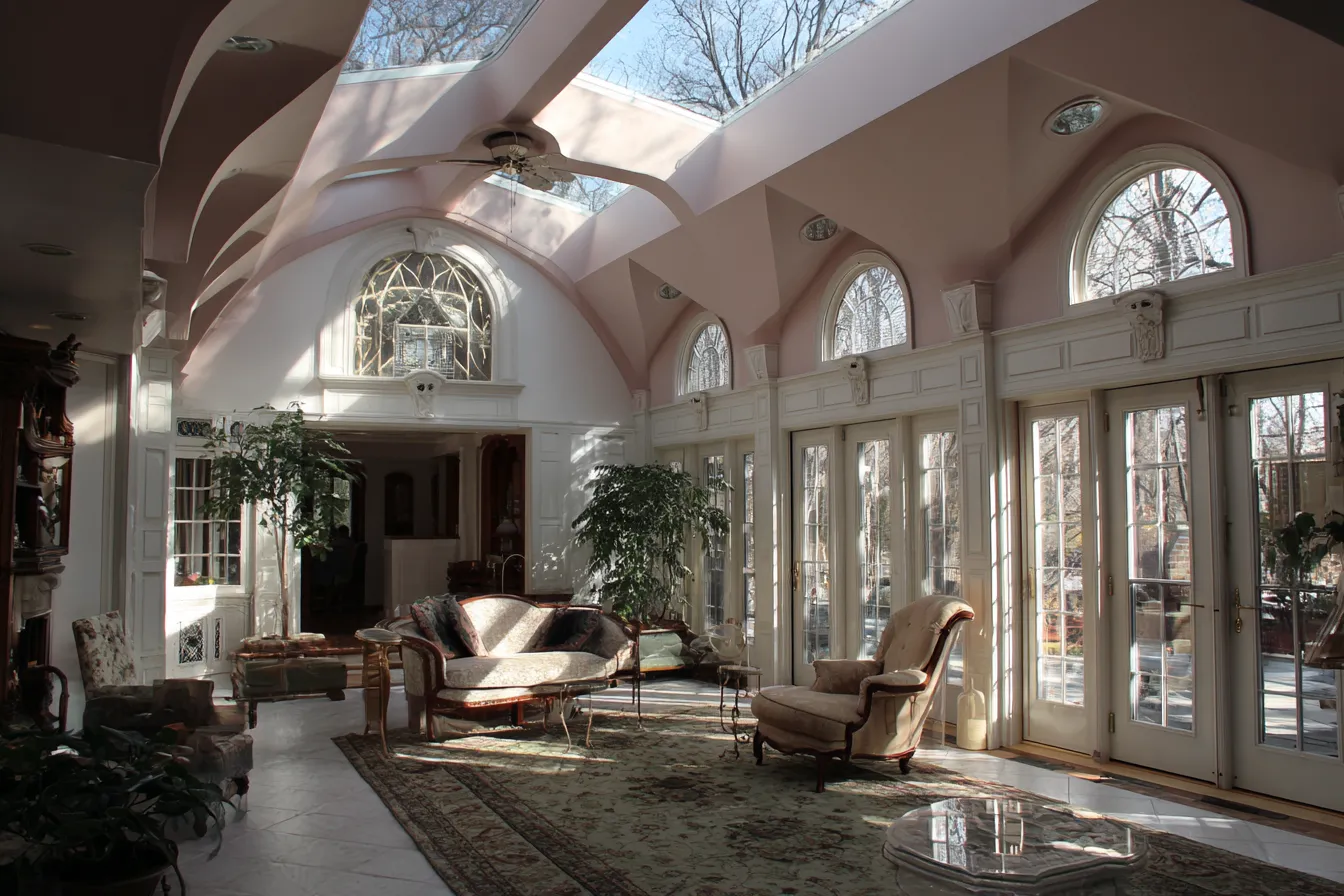
Overhead light allows buildings to breathe. It opens up ceilings, softens shadows, and makes interiors feel more spacious. Skylight design is both an engineering and artistic task, where form, materials, and window placement must remain in harmony with the architectural style of the building. They become part of the architectural language, setting the rhythm of a space and enhancing its expressiveness.
The Pre-Industrial Period
Pre-industrial architecture used overhead light in a limited and utilitarian way. In small eighteenth-century buildings, early versions of modern skylights were rare and were mainly used in kitchens, workshops, or other workspaces where side lighting was insufficient. The structures remained simple, with wooden frames and thick glass, sometimes complemented by decorative inserts made of lead or tin.
In large buildings, skylights were also used selectively. Overhead light appeared primarily in atriums, winter gardens, and service spaces, where it enhanced illumination and emphasized architectural details.
The Industrial Era
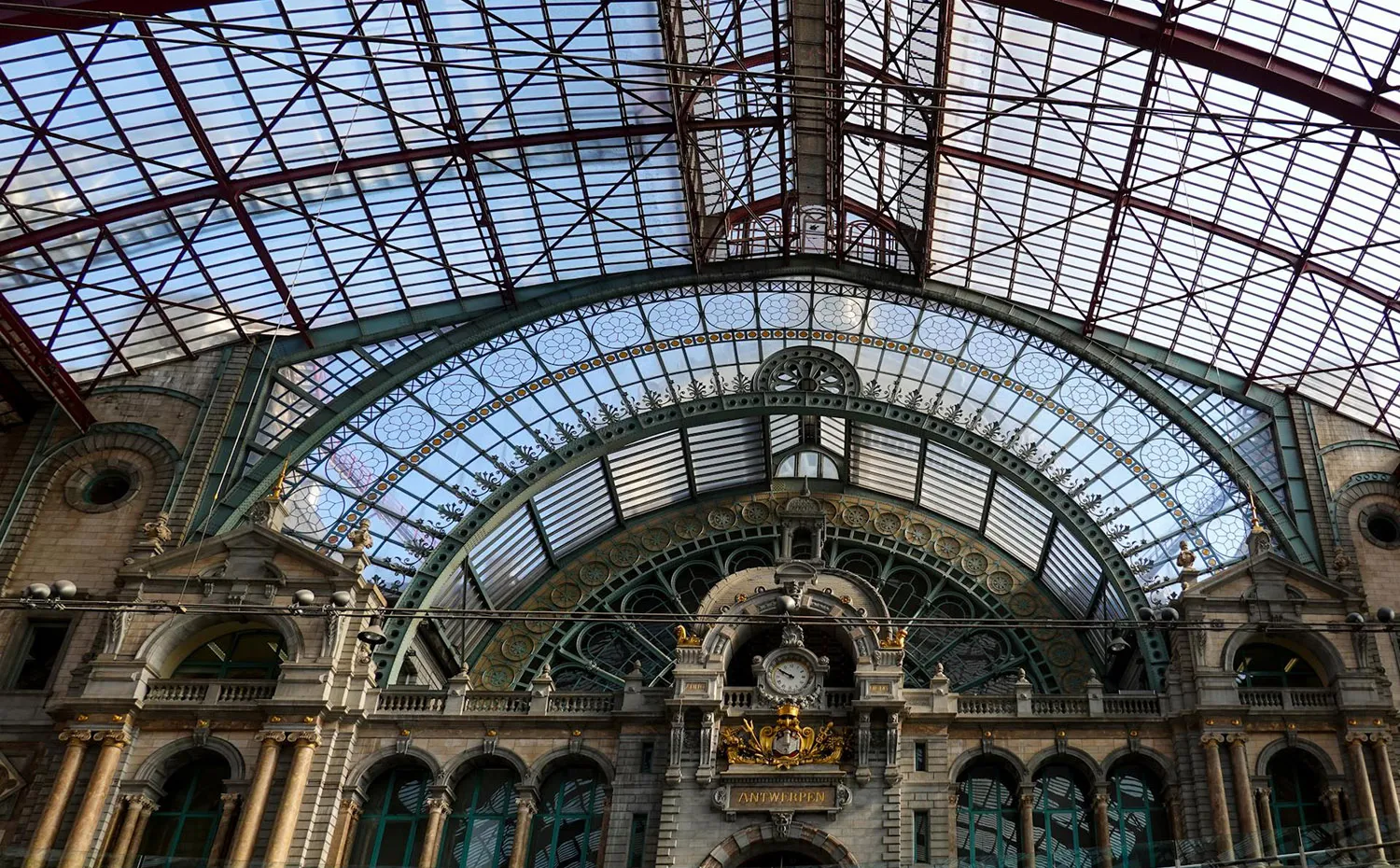
With the emergence of factories and warehouses, overhead light became a widespread and functional element of architecture. Long and tall production halls required light from above so workers could see details clearly, while manufacturing processes became faster and more precise. Specialized roof structures appeared, such as saw tooth roofs, lantern roofs, and roof monitors, which ensured even distribution of daylight across large areas.
During this period, skylights clearly demonstrated the potential of new materials and technologies. Steel and iron made it possible to create large glass panels capable of withstanding loads and ensuring structural durability.
In industrial architecture, skylights addressed specific needs. They illuminated workspaces, reduced fuel consumption, and improved building safety.
Modernism and Functionalism
In the 20th century, skylights moved beyond purely utilitarian roles. Light became an independent architectural element, with both horizontal and vertical openings incorporated into interior design. Architects started experimenting with light direction, scale, and form. Skylights created a dialogue between interior and exterior spaces, highlighted spatial geometry, and introduced a sense of rhythm.
Contemporary Architecture
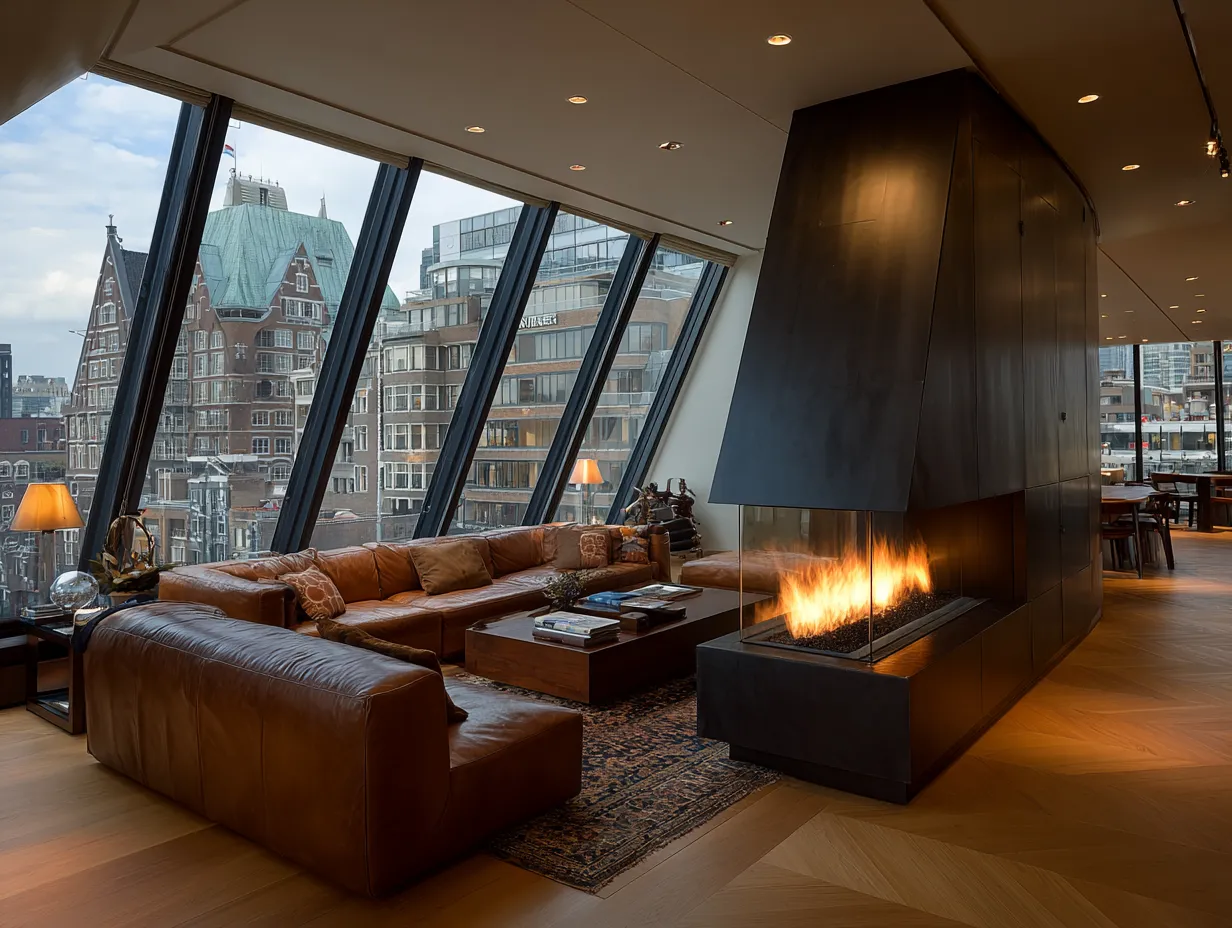
Skylights are no longer just structural elements. They are part of energy strategy, climate control, and everyday comfort. Even in sunny regions such as Los Angeles, well-designed systems help create bright interiors without glare or overheating. Natural light is distributed evenly, keeping spaces open and balanced.
VELUX offers complete skylight systems with pre-installed solar shades and smart control technology. Light levels, ventilation, and indoor conditions can be adjusted throughout the day depending on how the space is used. This reduces energy consumption and supports a stable indoor microclimate.
Professional skylight installers offer specialized skylight services, ensuring proper integration into residential buildings and larger architectural projects, with careful consideration of building scale, orientation, and local climate conditions.
Across centuries, skylights remain precise markers of architectural eras. They adapt to different styles and technologies while preserving their primary function of filling space with natural light.